Durk Slowed Audio Edits: The Oscilloscope EffectWhy hello there, guys! Ever found yourself diving deep into the internet’s musical rabbit holes, only to stumble upon something truly captivating yet a little mysterious? Today, we’re going to unravel one such enigma:
Durk Slowed Audio Edits
, often described with the intriguing term, the
‘Oscilloscope Effect’
. If you’re into unique soundscapes, immersive vibes, and exploring how modern music gets transformed, then you’re in the right place. We’re talking about a phenomenon that takes familiar tracks, especially those from artists like the iconic
Lil Durk
, and stretches them into entirely new sonic experiences. It’s not just about slowing down a song; it’s about altering its very fabric, adding layers of ambience, and sometimes, yes, creating a feeling so expansive it almost
visualizes
itself, much like the intricate patterns an oscilloscope might display when analyzing sound waves. This trend has gripped countless listeners, offering a fresh, often more introspective, way to consume popular music. The appeal lies in the way these edits strip back the urgency of the original, replacing it with a hazy, almost dreamlike quality that can be incredibly soothing or surprisingly intense. We’ll explore what makes these edits so compelling, how they’re created, and why they’ve become such a significant part of contemporary online music culture. From the underlying audio engineering principles to the emotional impact on listeners, we’ll cover all the bases to give you a comprehensive understanding of this fascinating musical trend. So, buckle up, because we’re about to embark on a journey through the stretched-out soundscapes of Durk’s music, re-imagined through the lens of slowed and reverbed artistry, and the curious ‘oscilloscope effect’ that gives these tracks their distinctive sonic signature. This isn’t just noise; it’s an art form that transforms listening into an experience, allowing us to appreciate the subtle nuances and hidden depths within tracks we thought we knew inside out. Get ready to have your ears, and perhaps your perception of music, pleasantly surprised and profoundly expanded! ## The Phenomenon of Slowed + Reverb: Beyond Just Pitch ShiftingAlright, let’s get down to brass tacks and talk about the core of what makes
Durk Slowed Audio Edits
so special, especially when we bring in the
‘Oscilloscope Effect’
into the conversation. This isn’t just about hitting a ‘slow’ button on your media player, guys. Oh no, it’s far more nuanced and artistic than that. The
slowed + reverb
phenomenon, which is at the heart of these edits, involves a meticulous process of manipulating a track’s tempo and pitch, then bathing it in vast, ambient echoes. Imagine taking a fast-paced Lil Durk banger, stripping away its aggressive immediacy, and instead, letting each beat, each lyric, each instrumental flourish
linger
and
expand
into an ethereal soundscape. That’s the magic trick! When a track is slowed down, not only does its tempo decrease, but its pitch also naturally drops. This lower pitch often gives the vocals a deeper, more resonant quality, sometimes making the artist sound almost like a different person – a more pensive, perhaps even melancholic, version of themselves. This change in vocal timbre is often one of the most striking aspects for listeners, adding a layer of gravitas to the original performance. But the ‘slowed’ part is only half the story. The ‘reverb’ element is where the true atmosphere is built. Reverb is essentially the natural echo and resonance you hear in a large space, like a concert hall or a cavern. By adding significant amounts of digital reverb, creators of
Durk Slowed Audio Edits
transform a dry, studio-produced track into something that sounds like it’s unfolding in an enormous, echoing chamber. This creates a sense of space, depth, and often, a beautiful melancholic mood that can be incredibly immersive. The combination of these two effects — the decreased tempo and pitch, and the expansive reverb — creates a distinct sonic texture. And this is where the
‘Oscilloscope Effect’
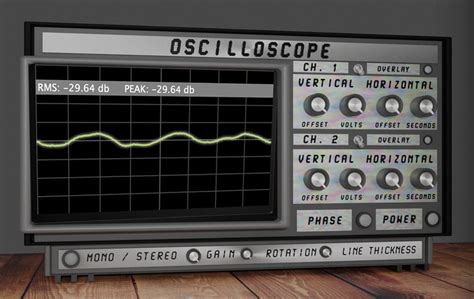
metaphor really comes into play. An oscilloscope visualizes sound waves, showing their complex patterns, frequencies, and amplitudes. When you listen to a heavily slowed and reverbed track, the individual sounds are stretched out, revealing intricate harmonic details and subtle textures that might be rushed over in the original. It’s like
visually
stretching out the waveform; you see the intricate oscillations, the deep troughs and high peaks, in a way that wasn’t apparent before. The ‘Oscilloscope Effect’ in this context refers to that feeling of
sonic expansion and revelation
, where the sound isn’t just heard, but almost
felt
as an undulating, complex wave. It’s a sensory experience that pushes beyond typical listening, inviting you to explore the very
texture
of the sound itself. This artistic transformation allows listeners to connect with the music on a different, often more emotional or reflective, level. The slower pace invites introspection, making the lyrics hit differently, and the instrumental passages feel more epic and cinematic. It’s a testament to how creative audio manipulation can breathe new life into existing works, crafting entirely new universes of sound for us to get lost in. So, next time you hear a
Durk Slowed Audio Edit
, remember it’s not just a simple modification; it’s a meticulously crafted sonic journey designed to envelop you in a world of deep tones, lingering echoes, and the mesmerizing ‘oscilloscope effect’ that makes every note resonate with profound weight. It’s a fantastic example of how modern digital tools, when combined with artistic vision, can continuously redefine our musical experiences. This trend isn’t just passing; it’s a significant evolution in how we interact with and appreciate the rich tapestry of sound. ## Why Lil Durk’s Music Shines in the Slowed + Reverb UniverseIt’s no accident that artists like
Lil Durk
are at the absolute forefront of the
Durk Slowed Audio Edits
trend, often showcasing that captivating
‘Oscilloscope Effect’
. Guys, there’s something inherently powerful and adaptable about his sound that makes it perfect for this kind of sonic transformation. When you think about Durk’s original tracks, they’re often characterized by their raw emotion, gritty storytelling, and sometimes, a certain melancholic undertone even amidst the bravado and street narratives. His lyrical content frequently delves into themes of struggle, loyalty, and the harsh realities of life, delivered with a distinctive vocal cadence that’s both assertive and vulnerable. This inherent depth in his music provides a
rich canvas
for the slowed and reverbed treatment. When his tracks are slowed, the emotional intensity isn’t diminished; if anything, it’s amplified. The raw feelings embedded in his words and delivery get stretched out, allowing listeners to truly soak in the weight and significance of each line. The slight drop in pitch that accompanies the slowing process often deepens his already distinctive voice, giving it an almost ghostly or prophetic quality that perfectly complements the introspective mood of these edits. Furthermore, the instrumentation in many of Lil Durk’s songs often features atmospheric pads, haunting melodies, and deep, resonant basslines. These elements are prime candidates for the reverb treatment. When these already atmospheric sounds are slowed down and given ample space to echo and decay, they transform into something truly monumental. The beats, instead of driving the track forward with urgency, become hypnotic pulses, grounding the expansive soundscape while allowing the melodic and vocal elements to float above. This creates a feeling of being enveloped by the music, a sensation that perfectly embodies the ‘Oscilloscope Effect’ we’ve been discussing. The stretched-out waveforms of his often complex beats and synth lines become more visible, more
palpable
, offering a deeper dive into the sonic architecture of his artistry. Moreover, the
cultural relevance
of Lil Durk in contemporary hip-hop means his music already has a massive reach and a dedicated fanbase. This makes his tracks natural choices for experimentation within the online music community. Fans are eager to hear their favorite Durk tracks reimagined, seeking out new ways to connect with his artistry. The slowed + reverb edits offer a fresh perspective, turning high-energy anthems into contemplative soundscapes, perfect for late-night drives, focused work sessions, or simply unwinding and letting the music wash over you. It’s a testament to the enduring power of his storytelling and the unique textures in his production that his work translates so seamlessly into this altered state. The ‘Oscilloscope Effect’ isn’t just about sound visualization; it’s about how the
expansion
of Durk’s original sound allows for a
deeper exploration
of his musical and lyrical genius. It’s an invitation to pause, reflect, and experience the nuanced emotions and intricate sonic details that might otherwise pass by unnoticed in the faster-paced originals. This artistic reinterpretation has not only broadened the appeal of Durk’s music but has also cemented his place as a pivotal figure in the evolution of online sound culture, where creativity and transformation reign supreme. It’s honestly quite a beautiful thing to witness, how a whole new dimension of his craft is revealed through these thoughtful edits. ## Crafting Your Own Slowed + Reverb Tracks: Unlocking the Oscilloscope SoundFeeling inspired, guys? Want to try your hand at creating your own
Durk Slowed Audio Edits
or applying that intriguing
‘Oscilloscope Effect’
to other tracks you love? It’s more accessible than you might think! While professional audio engineering can be complex, the basics of slowed + reverb are quite straightforward, and you can achieve fantastic results with readily available software. Here’s a little guide to get you started on your journey to becoming a sonic alchemist. First off, you’ll need some Digital Audio Workstation (DAW) software. Don’t worry, you don’t need a super expensive setup! Programs like Audacity (free and open-source), GarageBand (free on Apple devices), FL Studio, Ableton Live Lite (often comes with hardware), or even online tools can get the job done. Once you have your DAW, import the audio track you want to transform. For our purposes, let’s imagine a classic
Lil Durk
track. The first crucial step is
slowing down the tempo
. In your DAW, look for a ‘tempo’ or ‘time stretch’ function. You’ll want to reduce the tempo, typically by 10-20% or even more, depending on how
slow
and
drenched
you want the final sound to be. Experimentation is key here! As you slow it down, you’ll notice the pitch automatically drops. This is usually what we want for that deep, resonant sound. Some DAWs have a ‘preserve pitch’ option; make sure that’s
off
if you want the natural pitch drop. If you want to fine-tune the pitch further, most DAWs have a ‘pitch shift’ effect you can apply separately. Next up is the
reverb
. This is where you create that expansive, echoing atmosphere, essentially generating the spatial dimension that enhances the
‘Oscilloscope Effect’
. Look for a ‘reverb’ plugin in your DAW. Apply it to your track. You’ll typically find parameters like ‘decay time’ (how long the echo lasts), ‘room size’ (how big the space sounds), ‘wet/dry mix’ (the balance between the original sound and the reverbed sound), and ‘pre-delay’ (the time before the reverb starts). Start with a long decay time (several seconds), a large room size, and gradually increase the ‘wet’ mix until you get that immersive, ethereal feel. Don’t be afraid to push it! The goal is to make the sound vast and airy, almost like it’s unfolding in a grand, empty cathedral. To further enhance the ‘Oscilloscope Effect’ – that feeling of revealed sonic texture and depth – consider adding subtle
EQ (Equalization)
and
compression
. A little EQ can help clean up muddy bass frequencies or bring out shimmering highs, while compression can make the stretched-out sounds feel more cohesive and impactful. You might also experiment with very subtle
phaser
or
flanger
effects, applied sparingly, to add a bit of a wavy, undulating character that some listeners might associate with the visual movement on an oscilloscope. Finally, don’t forget the
mastering phase
. This involves making sure your track sounds good at a consistent volume, usually by applying a ‘limiter’ to prevent clipping. Listen to your creation through good headphones or speakers to really appreciate the depth and clarity. Remember, the beauty of
Durk Slowed Audio Edits
and the ‘Oscilloscope Effect’ lies in experimentation. There are no strict rules, only guidelines. Play with different tempos, reverb settings, and other effects. Listen closely to how each change alters the mood and atmosphere of the track. You’ll be amazed at how a familiar song can be utterly transformed into a brand new, captivating sonic journey, revealing hidden layers and textures that were always there, just waiting to be expanded and heard! This creative process is a fantastic way to engage with music on a deeper level, moving from passive listening to active creation. ## The Cultural Impact and Future of Slowed + Reverb MusicSo, guys, we’ve explored what
Durk Slowed Audio Edits
are all about, how the
‘Oscilloscope Effect’
defines their unique sonic signature, and even how you can dabble in creating them. But let’s pause for a moment and consider the broader picture: the significant
cultural impact
this entire slowed + reverb movement has had on the music landscape and what its future might look like. This isn’t just a fleeting internet trend; it’s a legitimate subgenre that has carved out its own niche and influenced countless listeners and creators. One of the biggest impacts is how it has democratized music creation and appreciation. With accessible software and a vibrant online community, anyone can take a beloved track, apply these transformations, and share their unique interpretation. This fosters a sense of collective creativity, where fans become active participants in the evolution of music, rather than just passive consumers. It’s a beautiful example of how digital tools empower artistic expression, allowing individuals to remix and reinterpret popular culture in deeply personal ways. The widespread popularity of
Durk Slowed Audio Edits
highlights a shifting preference among many listeners for more immersive, atmospheric, and often melancholic soundscapes. In a world that often feels fast-paced and overwhelming, slowed + reverb tracks offer a sonic escape – a space for introspection, relaxation, or focused concentration. They provide a different kind of emotional resonance, turning upbeat songs into reflective ballads and aggressive tracks into deep, brooding soundscapes. This genre perfectly caters to a desire for music that prioritizes
mood
and
atmosphere
over pure energy or danceability. The ‘Oscilloscope Effect’ has become a shorthand for this expanded, detailed, and almost visual approach to sound. It speaks to a listener base that appreciates the intricate textures and prolonged sonic decay, finding beauty in the stretched-out nuances that are often lost in the original, faster versions. This attention to detail in the sonic fabric of a song has pushed the boundaries of what’s considered
