Fort Wayne, Indiana County: Allen County Revealed Guys, have you ever found yourself wondering,
“What county is Fort Wayne, Indiana, actually in?”
It’s a super common question, especially if you’re new to the area, planning a visit, or just trying to figure out some local government stuff. Well, let me tell you, the answer is clear as day:
Fort Wayne, Indiana, proudly calls Allen County its home.
This isn’t just a simple geographical fact; understanding that Fort Wayne resides within Allen County opens up a whole world of local history, community services, and regional identity that is truly fascinating. Allen County isn’t just a dot on the map; it’s a vibrant, thriving region in Northeast Indiana, with Fort Wayne serving as its bustling heart and county seat. When we dive into what makes this area tick, we’ll quickly discover that the city and its surrounding county are deeply intertwined, each contributing significantly to the unique character and robust economy of the larger metropolitan area. From historical roots that stretch back centuries to modern-day innovations and community initiatives, the relationship between Fort Wayne and Allen County is a dynamic one, shaping everything from local politics to the availability of essential services and recreational opportunities. So, buckle up, because we’re about to explore everything you need to know about Allen County and its incredible connection to Fort Wayne. You’ll gain a deeper appreciation for this corner of Indiana, whether you’re a long-time resident, a prospective mover, or simply curious about American geography. It’s a story of growth, community, and the persistent spirit of the Hoosier state, all centered around this pivotal county. We’ll touch on its historical significance, its role in regional development, and how this geographical fact impacts daily life for hundreds of thousands of people, making it much more than just a label on a map. Get ready to truly understand the fabric of this remarkable place, folks! It’s all about Allen County and its shining star, Fort Wayne. And trust me, by the end of this, you’ll feel like a local expert! Let’s get into the nitty-gritty of why this particular county-city pairing is so important and what makes it special in the grand tapestry of Indiana. This isn’t just about geography; it’s about identity, infrastructure, and the very soul of a thriving community that continues to evolve and flourish. It’s truly a great place, and understanding its county is the first step to appreciating its depth. ### Unveiling Allen County: Fort Wayne’s Home When you talk about
Fort Wayne, Indiana, you are intrinsically talking about Allen County.
This county isn’t just a random administrative division; it’s the very foundation upon which Fort Wayne has grown and flourished for centuries. Situated in the northeastern part of Indiana, Allen County stands as the most populous county in the entire region, acting as a critical hub for commerce, culture, and community life. Its establishment dates back to 1823, a time when the Indiana frontier was rapidly expanding, and communities were beginning to take root around strategic locations. The county was named in honor of Colonel John Allen, a Kentucky attorney and soldier who heroically lost his life during the War of 1812. This naming convention isn’t just a historical footnote; it reflects the deep connection to the early American struggles and the pioneers who shaped the nation. Allen County’s geographical position is incredibly advantageous, serving as a crossroads for major transportation routes, both historically (like the Wabash and Erie Canal) and in modern times (with major interstates like I-69 and US-30 crisscrossing the area). This prime location has consistently contributed to its growth, attracting businesses, families, and individuals seeking opportunity and a strong community. The landscape of Allen County is diverse, encompassing not just the urban core of Fort Wayne but also charming suburban towns and picturesque rural areas. You’ll find everything from bustling downtown districts to tranquil farmlands, serene parks, and sparkling rivers, including the St. Marys, St. Joseph, and Maumee Rivers that converge right in Fort Wayne. This rich tapestry offers a wide array of lifestyles and activities for its residents. From a governmental perspective, Allen County plays a crucial role in providing essential services that impact daily life for its nearly 400,000 residents. We’re talking about everything from public safety (think the Allen County Sheriff’s Department) to judicial systems, public health initiatives, property tax assessment, and the maintenance of county roads and infrastructure outside city limits. Understanding that Fort Wayne is within Allen County helps you navigate these services, whether you’re applying for a permit, registering to vote, or seeking assistance from local government agencies. For visitors, knowing the county can help you explore beyond the city limits, perhaps discovering a quaint small town like New Haven, Grabill, or Huntertown, each with its own unique charm and local flavor. These communities, while distinct, are all part of the larger Allen County family, contributing to the region’s overall identity and economic strength. In essence, Allen County isn’t just a boundary; it’s a living, breathing entity that provides the framework for life in Fort Wayne and the surrounding areas. It’s a place rich in history, diverse in its offerings, and pivotal in shaping the present and future of Northeast Indiana. So, the next time someone asks you about Fort Wayne, you can confidently tell them it’s in Allen County, and you’ll know exactly what that means for its heritage, its services, and its vibrant community spirit. It’s truly the bedrock of this fantastic region, folks, and its significance cannot be overstated when discussing Fort Wayne. This robust county offers so much more than just a name on a map; it’s a testament to sustained development and community building over centuries, making it a cornerstone of the Hoosier state. ### A Rich History: The Story of Allen County and Fort Wayne The history of
Fort Wayne and Allen County is deeply intertwined, a compelling narrative of frontier fortitude, strategic importance, and unwavering growth.
Our journey begins long before European settlers arrived, with the land being home to Native American tribes, most notably the Miami people. The confluence of the St. Marys, St. Joseph, and Maumee Rivers, the very spot where Fort Wayne stands today, was a vital Miami village known as Kekionga. This location was a natural strategic point, controlling trade and travel routes, and its significance would only grow with the arrival of colonial powers. The French were the first Europeans to recognize this strategic value, establishing a trading post here in the early 18th century. However, it was the Americans, under the command of General “Mad” Anthony Wayne, who established a permanent military fort in 1794, officially naming it Fort Wayne. This act marked a pivotal moment in the expansion of the United States into the Northwest Territory and solidified the area’s importance. This fort wasn’t just a defensive outpost; it became a beacon for settlers and a nucleus for the burgeoning community. As the fort secured the area, the wheels of governmental organization began to turn.
Allen County was officially established on April 1, 1824,
just three decades after General Wayne’s arrival. It was carved out of portions of Delaware and Randolph counties, reflecting the growing need for localized administration as more people moved into the region. The choice of Fort Wayne as the county seat was a natural one, given its established military presence and strategic location. The early decades of Allen County were characterized by rapid development. The construction of the Wabash and Erie Canal in the 1830s and 1840s was a game-changer. This monumental engineering feat connected the Great Lakes to the Ohio River, and Fort Wayne, being a major canal hub, experienced an explosive period of growth. Goods, people, and ideas flowed through the city, transforming it from a frontier outpost into a burgeoning commercial center. The canal brought unprecedented prosperity and attracted waves of immigrants, further diversifying the county’s population and workforce. Soon after, the advent of the railroad system in the mid-19th century reinforced Allen County’s status as a transportation nexus. Multiple rail lines converged in Fort Wayne, surpassing the canal in importance and cementing the city’s role as a manufacturing and logistical powerhouse. Industries such as manufacturing, particularly in the electrical and automotive sectors, began to thrive, drawing even more people to the area. Through the 20th century, Allen County continued to evolve. It navigated economic shifts, industrial changes, and societal transformations, always with Fort Wayne at its core. From the challenges of the Great Depression and two World Wars to periods of suburban expansion and urban revitalization, the county and its main city have demonstrated remarkable resilience. Today, the historical legacy is visible throughout Allen County. The old canal routes, the historic architecture of downtown Fort Wayne, and the numerous museums and historical societies all tell the story of its journey. Understanding this rich past helps us appreciate the present vibrancy and future potential of Allen County, guys. It’s not just a collection of towns and cities; it’s a place forged by history, perseverance, and the enduring spirit of its people. This deep historical backdrop provides context for every aspect of life in the county today, from its diverse population to its economic drivers and its strong sense of community. It truly showcases how far Fort Wayne and Allen County have come since their earliest days. ### Fort Wayne: The Heart of Allen County Fort Wayne truly stands as the vibrant heart of
Allen County, a city that embodies resilience, innovation, and a strong sense of community spirit.
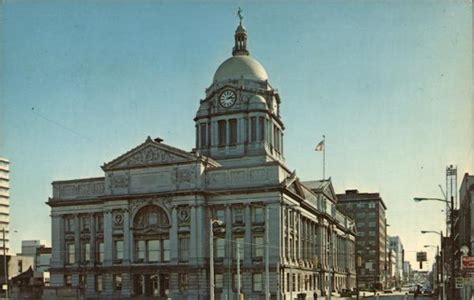
As the county seat, Fort Wayne isn’t just the largest city within Allen County; it’s the economic, cultural, and administrative engine that drives the entire region. With a population of over 260,000 residents, it ranks as Indiana’s second-largest city, a testament to its enduring appeal and growth. The city’s prominence within Allen County is multi-faceted. Administratively, it houses the majority of county government offices, making it the central point for everything from court proceedings at the Allen County Courthouse to public health services and election administration. This centralization ensures that residents across the county have relatively easy access to essential governmental functions. Economically, Fort Wayne is a powerhouse. Historically known for its robust manufacturing sector, particularly in electrical components, automotive parts, and heavy machinery, the city has successfully diversified its economy. Today, it boasts strong sectors in healthcare, education, insurance, and technology. Major employers like Parkview Health, Lutheran Health Network, and Indiana University-Purdue University Fort Wayne (Purdue University Fort Wayne) not only provide significant employment but also serve as anchor institutions that attract talent and investment into Allen County. The healthcare industry, in particular, has seen massive growth, transforming Fort Wayne into a regional medical hub, drawing patients and professionals from across Northeast Indiana and beyond. Culturally, Fort Wayne is a treasure trove. It offers a fantastic array of attractions that cater to all ages and interests, making it a lively place to live and visit. Think about the world-renowned Fort Wayne Children’s Zoo, a perennial favorite that consistently ranks among the nation’s best. Then there’s the Foellinger-Freimann Botanical Conservatory, offering a lush escape year-round. Art enthusiasts will appreciate the Fort Wayne Museum of Art, while history buffs can delve into the past at The Old Fort or the African/African-American Historical Museum. The city’s performing arts scene is also thriving, with venues like the Embassy Theatre hosting Broadway shows, concerts, and local performances, drawing audiences from all over Allen County. Sports are another massive draw, guys! Fort Wayne is home to several minor league sports teams, including the Fort Wayne TinCaps (baseball, affiliated with the San Diego Padres) and the Fort Wayne Komets (hockey), providing family-friendly entertainment and fostering a strong sense of local pride. These teams aren’t just for city residents; they’re county-wide attractions that bring people together. The downtown revitalization efforts in Fort Wayne have been particularly impressive, transforming the core of the city into a vibrant destination. Projects like Electric Works, a massive adaptive reuse development, are bringing new life to historic industrial buildings, creating spaces for businesses, residential living, and community interaction. The Riverfront Fort Wayne project, which focuses on developing public access and amenities along the city’s three rivers, is creating beautiful green spaces and recreational opportunities, further enhancing the quality of life for all Allen County residents. In essence, Fort Wayne isn’t just a place where people work and live; it’s a place where community thrives, opportunities abound, and history meets innovation. Its role as the heart of Allen County is undeniable, making it a critical component of the region’s identity and future prosperity. This synergy between the city and the broader county makes Allen County a truly special place to call home, folks. It’s a prime example of urban and regional development working hand-in-hand to create a robust and inviting environment for everyone. ### Exploring Allen County Beyond Fort Wayne While Fort Wayne is undoubtedly the biggest draw and the bustling urban core,
Allen County offers so much more to explore beyond its city limits, folks!
This larger geographical area encompasses a diverse landscape of charming small towns, serene rural communities, sprawling parks, and significant natural areas that contribute immensely to the county’s overall character and quality of life. Venture just a short drive from downtown Fort Wayne, and you’ll discover communities that each possess their own unique identity and appeal. Take
New Haven
, for instance. Located just east of Fort Wayne, it’s the second-largest city in Allen County and boasts a strong industrial base, thriving local businesses, and a tight-knit community feel. It’s a great example of a supportive city providing its own services while still benefiting from the larger county infrastructure. Then there are picturesque towns like
Grabill
, known for its strong Amish and Mennonite heritage, offering a glimpse into a simpler way of life with horse-drawn buggies, unique artisan shops, and delicious homemade baked goods.
Leo-Cedarville
and
Huntertown
are other growing communities, often attracting families looking for excellent schools and a quieter, suburban lifestyle with easy access to Fort Wayne’s amenities. These towns are not just satellite communities; they are integral parts of Allen County, each contributing to the cultural fabric and economic diversity of the region. They provide residential options that range from historic homes to new developments, catering to various preferences and budgets, all while maintaining that distinct small-town charm. Beyond the towns, Allen County’s natural beauty and recreational opportunities are truly impressive. The county is dotted with numerous parks and green spaces, offering residents and visitors ample opportunities for outdoor activities.
Metea County Park
, for example, is a fantastic spot for hiking, nature observation, and educational programs, spanning hundreds of acres of woodlands and wetlands. It’s a perfect escape for anyone looking to reconnect with nature. The
Pufferbelly Trail
is another gem, a multi-use path that follows an old railroad line, perfect for biking, walking, and running, connecting various parts of the county. For those who enjoy water activities, the St. Marys, St. Joseph, and Maumee Rivers, as well as several lakes within the county, provide opportunities for fishing, kayaking, and canoeing. These natural resources are not just beautiful; they are vital for biodiversity and offer crucial recreational outlets that enhance the well-being of the county’s residents. The agricultural landscape of Allen County is also significant. Drive through the rural areas, and you’ll see vast farmlands producing corn, soybeans, and other crops, reminding you of Indiana’s rich agricultural heritage. These farming communities are the backbone of the county’s traditional economy and contribute to the local food scene, with farmers’ markets offering fresh produce directly to consumers. In short, while Fort Wayne provides the urban pulse, the rest of Allen County offers a serene balance, a slower pace, and a chance to experience the authentic charm of rural and suburban Indiana. It’s a perfect blend, ensuring that whether you’re seeking city excitement or peaceful tranquility, Allen County has something special for you. So, when you’re exploring the area, make sure to look beyond the city lights; you’ll find a whole world of discovery awaiting you in the broader Allen County, guys. It truly enriches the experience of living or visiting this fantastic part of the state. ### Why Knowing Your County Matters: Practical Information for Residents and Visitors Understanding that Fort Wayne is in
Allen County isn’t just a fun fact; it’s practically useful, guys!
For both residents and visitors, this geographical distinction plays a significant role in accessing services, understanding local governance, and generally navigating life in this vibrant region. Let’s break down why this knowledge is so important. First and foremost, local government services are primarily organized at the county level. Think about things like the Allen County Sheriff’s Department, which is responsible for law enforcement in unincorporated areas and operates the county jail. While Fort Wayne has its own police department, the Sheriff’s office handles many county-wide responsibilities. Similarly, the Allen County Courts manage a wide range of legal matters, from felony cases to civil disputes and family law, impacting everyone within the county’s jurisdiction. If you’re buying property or dealing with property taxes, you’ll be interacting with the Allen County Assessor and Treasurer’s offices. These county departments are responsible for valuing properties, collecting taxes, and ensuring the smooth financial operation of the county. Knowing which county you’re in ensures you’re reaching out to the correct governmental body for these crucial services. Healthcare is another area where county lines matter. The Allen County Department of Health oversees public health initiatives, enforces health regulations, and provides essential services like vaccinations, disease surveillance, and environmental health protection for all residents. This county-level approach ensures a unified public health strategy across the entire region, benefiting both city and rural dwellers. For anyone looking to vote, the Allen County Election Board is your go-to. They manage voter registration, polling locations, and election processes for every election – local, state, and federal – within Allen County. Your school district, while often localized to specific towns or parts of Fort Wayne, also operates within the broader county framework. Understanding the county helps you identify which district you fall into and access relevant educational resources. Zoning and land use planning outside of Fort Wayne’s city limits are also handled at the county level by the Allen County Plan Commission and Building Department. So, if you’re building a new home or starting a business in an unincorporated area, you’ll be dealing with county regulations and permits. For visitors, knowing you’re in Allen County can help you access tourism resources beyond just Fort Wayne. The county often has broader tourism initiatives and information centers that can point you to attractions, events, and lodging options throughout the entire region, including those charming small towns we talked about earlier. Moreover, emergency services, while often having local units (like city fire departments), are coordinated and supported by county-level resources. This ensures a more robust and responsive emergency response system that can deploy resources effectively across the entire geographical area, regardless of specific city limits. So, whether you’re a long-time resident navigating bureaucracy, a new homeowner trying to understand your tax bill, or a visitor planning a comprehensive trip through Northeast Indiana, understanding that Fort Wayne is firmly nestled in Allen County is key. It empowers you to find the right information, access the correct services, and fully appreciate the administrative and geographical context of this wonderful part of Indiana. It truly makes a huge difference in your local experience, giving you the power to connect with the right resources and make the most of what Allen County has to offer! ### Getting Around: Transportation and Infrastructure in Allen County Navigating
Allen County, with Fort Wayne at its core, is made efficient and accessible thanks to a well-developed network of transportation and infrastructure, folks.
This system is crucial not just for daily commutes but also for economic development, connecting residents to jobs, services, and recreational opportunities throughout the entire region. Understanding the county’s transportation backbone helps paint a clearer picture of its dynamic nature. At the heart of Allen County’s transportation system are its major roadways. Interstate 69 (I-69) slices through the county, providing direct access to Indianapolis to the south and Michigan to the north, acting as a vital artery for both commerce and travel. Alongside I-69, several U.S. highways, including US-30, US-33, US-24, and US-27, crisscross the county, creating a robust web that connects Fort Wayne to its surrounding communities and to other major cities. These highways are essential for businesses engaged in logistics and distribution, cementing Allen County’s role as a regional hub for goods movement. For daily commuters within Fort Wayne and its immediate environs, the city’s grid system, coupled with thoroughfares like Goshen Road, Lima Road, Bluffton Road, and State Boulevard, ensures relatively smooth traffic flow, even during peak hours. The careful planning of these routes helps integrate the various parts of the city with the broader county, allowing residents from suburban and rural areas to easily access downtown amenities and major employment centers. Public transportation in Allen County is primarily provided by Citilink, Fort Wayne’s public bus system. While its main service area is within the city limits, it plays a critical role in offering an alternative to driving for many residents, connecting neighborhoods, major employment zones, and healthcare facilities. Expansion efforts are continually being explored to better serve the growing county population and provide more accessible options for those living beyond the immediate urban core. For those traveling further afield,
Fort Wayne International Airport (FWA)
is a major asset to Allen County. Located just southwest of downtown Fort Wayne, FWA offers passenger flights to several major hubs across the United States, providing convenient air travel for both business and leisure. The airport’s presence is not just about passenger convenience; it’s a significant economic driver, supporting jobs and facilitating commerce by connecting Allen County to national and international markets. Beyond roads and air travel, Allen County is also home to an extensive network of trails and greenways, which are increasingly important for recreation and alternative transportation. The already mentioned Pufferbelly Trail is a prime example, offering miles of paved paths for walking, running, and biking. These trails connect parks, neighborhoods, and even small towns within the county, promoting a healthier lifestyle and offering picturesque routes for outdoor enthusiasts. The county’s infrastructure also extends to utilities, including water, sewer, and broadband internet. Significant investments have been made in recent years to ensure that residents and businesses throughout Allen County have access to reliable and high-speed internet, which is crucial for modern education, work, and communication. This infrastructure development supports growth and helps maintain the high quality of life that residents enjoy. In conclusion, the transportation and infrastructure in Allen County are thoughtfully designed and continuously improved to support its thriving population and economy. Whether you’re commuting to work, traveling for leisure, or moving goods, the county’s well-integrated systems ensure connectivity and efficiency, making Allen County a truly accessible and well-connected place to live, work, and visit. It’s a key part of what makes this region so successful, guys, facilitating everything we do. ### Economic Landscape: Industries and Opportunities in Allen County The
economic landscape of Allen County, anchored by Fort Wayne, is remarkably diverse and dynamic, offering a wide array of industries and ample opportunities for employment and business growth, guys.
This robustness is a key reason why so many people choose to live and work here, making it a compelling region within Indiana. While the county has a rich industrial past, it has successfully evolved to embrace new sectors, ensuring a strong and resilient economic future. Historically, Allen County was a manufacturing powerhouse, particularly in electrical components, automotive parts, and machinery. Giants like General Electric and International Harvester (now Navistar) once dominated the employment scene, shaping the county’s identity as an industrial hub. While manufacturing still holds a significant place, it has become more specialized and high-tech, incorporating advanced robotics and innovative processes. Companies in this sector continue to contribute substantially to the local economy, providing skilled jobs and supporting a network of suppliers and services. However, the most significant growth in recent decades has been in the
healthcare sector
. Fort Wayne has transformed into a major regional medical center, attracting patients and professionals from throughout Northeast Indiana and surrounding states. Large hospital systems like Parkview Health and Lutheran Health Network are not only massive employers but also drivers of innovation, research, and specialized medical services. This robust healthcare industry creates a ripple effect, supporting numerous related businesses, from medical supply companies to specialized clinics and educational programs for healthcare professionals. Another cornerstone of Allen County’s economy is
education
. With institutions like Purdue University Fort Wayne (PFW), Ivy Tech Community College, and the University of Saint Francis, the county is a hub for learning and talent development. These universities not only educate the local workforce but also conduct research, foster entrepreneurship, and contribute significantly to the cultural and intellectual life of the community. They are vital for attracting young talent and retraining existing workers for the jobs of the future. The
insurance and financial services sectors
also play a crucial role. Companies like Lincoln Financial Group have a long-standing presence in Fort Wayne, providing significant employment and contributing to the stability of the local economy. These firms often require a highly skilled workforce, attracting professionals in finance, technology, and customer service. In recent years, Allen County has also seen a noticeable increase in
technology and innovation-driven businesses
. Efforts like the Electric Works development are specifically designed to foster a tech and innovation ecosystem, providing modern spaces for startups and established tech firms. This push towards technology is attracting new talent and diversifying the job market, creating exciting opportunities in areas like software development, IT services, and advanced manufacturing. Retail and hospitality also contribute significantly, driven by the county’s large population and its status as a regional destination. Shopping centers, restaurants, hotels, and entertainment venues provide both employment and convenience for residents and visitors alike. Small businesses and local entrepreneurship are also thriving across Allen County, adding to its economic vibrancy and providing unique products and services. The supportive business environment, combined with a strong workforce and strategic location, makes Allen County an attractive place for entrepreneurs to launch and grow their ventures. In summary, the economic landscape of Allen County is a rich tapestry of traditional strengths and emerging opportunities. From its foundational manufacturing base to its booming healthcare sector, strong educational institutions, and growing tech scene, the county offers a diverse and stable economic environment. This variety ensures that whether you’re seeking a career, looking to start a business, or simply want to understand the local economy, Allen County presents a compelling picture of growth and potential, folks. It’s a truly exciting place to be, with a bright economic future!
