Get Your Child’s Social Security Number: A Simple Guide Hey there, awesome parents and soon-to-be parents! Navigating the world of paperwork for your little ones can sometimes feel like a marathon, right? But
applying for your child’s Social Security Number (SSN)
doesn’t have to be a daunting task.
Trust me
, this guide is here to simplify the entire process for you, breaking down everything you need to know into easy, digestible steps. Getting your child’s SSN is a crucial early step in their life journey, opening doors to many essential benefits and protections. We’re going to walk through
why
it’s so important,
when
and
how
to apply, what
documents
you’ll absolutely need, and even some tips on keeping that precious number safe. So, let’s dive in and get this done, folks!## Why Your Child Needs a Social Security Number Understanding
why
your child needs a Social Security Number is the first step in appreciating its importance, and honestly, it’s a big deal. A
Social Security Number for your child
is far more than just a nine-digit code; it’s a vital identifier that connects them to a whole host of government services, financial opportunities, and legal protections throughout their life. From the moment they’re born, this number starts working for them, even if you don’t realize it immediately. One of the primary reasons is for
tax purposes
. When you claim your child as a dependent on your income tax return, you’ll need their SSN. This allows you to potentially qualify for child tax credits and other deductions that can significantly reduce your tax burden, putting more money back in your pocket – and who doesn’t love that, right? Without an SSN, you simply can’t claim these valuable tax benefits, which could mean missing out on hundreds or even thousands of dollars each year. Beyond taxes, a
child’s SSN
is essential for accessing
government benefits
. Should your child ever need to receive benefits from programs like Social Security (in cases of a parent’s disability or death), or certain health and welfare programs, their SSN will be required to establish their eligibility and identity. It’s about ensuring they have access to a safety net if life throws unexpected curveballs. Think about it: setting up a college savings plan, like a 529 plan, also typically requires your child’s SSN. This allows their account to be properly identified for tax-advantaged growth and ensures all contributions and distributions are correctly attributed.
It’s about securing their future, guys!
Later in life, when your child eventually enters the workforce, they’ll need their SSN to get a job, as employers use it for payroll and tax reporting. And when they turn 18 and want to open their own bank account, apply for a driver’s license, get credit, or even register for college, their SSN will be a fundamental piece of identification. It essentially acts as their unique financial and administrative fingerprint.
Moreover, having a Social Security Number for your child helps protect them from identity theft in the long run.
While it might seem counterintuitive since the number itself is a target, having it properly recorded and monitored can help you detect any unauthorized use early. Without an SSN, an identity thief might create a “ghost” identity for your child, using their name but fabricating an SSN, making it harder to track. With an official SSN on file, you can periodically check their credit report (once they are old enough to have one, or proactively check with credit bureaus if you suspect an issue) to ensure no fraudulent accounts have been opened in their name.
Preventing child identity theft
is a serious concern, and getting their SSN processed correctly from the start is a foundational step in building a secure financial future for them. So, as you can see, applying for your child’s Social Security Number isn’t just bureaucratic red tape; it’s a proactive measure to safeguard their financial well-being, ensure access to crucial benefits, and allow you to leverage important tax advantages. It’s a cornerstone of their official existence, so getting it right is super important!## When and How to Apply for Your Child’s SSN Knowing
when and how to apply for your child’s SSN
is key to making the process smooth and stress-free. For most parents, the
best time to apply for your child’s Social Security Number
is right after birth, while you’re still at the hospital. This is by far the easiest and most common method, and the Social Security Administration (SSA) has streamlined this process precisely for this reason. When your baby is born, the hospital staff will typically offer you the option to apply for an SSN as part of the birth registration process. They’ll ask you to fill out a section on the birth certificate application form, granting permission for the state agency to forward the necessary information to the SSA. It’s incredibly convenient because all the required information about the baby’s birth and parental details are already on hand.
Honestly, this is the least painful way to do it!
The hospital collects the data, sends it to the state vital statistics office, which then registers the birth and shares the relevant details with the SSA. Within a few weeks (usually 2 to 4 weeks, but sometimes up to 12 weeks), your child’s SSN card will arrive in the mail directly to your home. This avoids an extra trip to a Social Security office, saving you valuable time and energy during those precious, exhausting newborn weeks. However, if you missed the opportunity to
apply for an SSN at the hospital
, or perhaps your child was born at home, adopted, or is older, don’t sweat it! You can
absolutely
still apply. The process is a bit different, requiring a visit to a local Social Security office, but it’s totally manageable. For an
older child’s Social Security Number application
, you’ll need to gather all the required documents yourself and then either mail them in or, more commonly and recommended, visit an SSA office in person. Mailing documents can be risky, as original documents are often required, and you don’t want to lose them in transit. Therefore, an in-person visit is often the preferred route for applications not handled at birth. When you go in person, an SSA representative can verify your original documents on the spot and return them to you immediately. This method also allows you to ask any questions you might have and ensure everything is filled out correctly, reducing potential delays. So, whether you’re welcoming a newborn or getting an SSN for an older kiddo, the flexibility is there. For
newborns
, leverage the hospital’s integrated service – it’s a no-brainer if available. For
older children
or those whose parents bypassed the hospital application, be prepared for a slightly more involved but equally straightforward process of gathering documents and visiting an SSA office. The key takeaway here, guys, is that while the hospital route is super convenient, it’s not your only option. The Social Security Administration understands that life happens, and they’ve got pathways for everyone to get their
child’s Social Security Number
when they need it. Don’t delay too long, though, especially if tax season is approaching or you need the SSN for other immediate reasons. Getting this sorted sooner rather than later will definitely save you headaches down the line, ensuring your child is properly accounted for in all the official ways.## Essential Documents You’ll Need Alright, folks, let’s talk about the nitty-gritty: the
essential documents you’ll need
to successfully apply for your child’s Social Security Number. This is arguably the most crucial part of the
SSN application process for your child
, because having all your ducks in a row with the right paperwork will make your visit to the Social Security office a breeze (or ensure your hospital application goes smoothly). The Social Security Administration is pretty strict about verifying identities and relationships, so it’s important to bring original documents or certified copies – photocopies generally won’t cut it. Don’t worry, they usually return your originals right after verification. First up, and perhaps most importantly, you’ll need proof of your
child’s age and identity
. The gold standard for this is your child’s original birth certificate. This document officially records their birth, name, and parental information, serving as undeniable proof of their age and identity. If you’re applying for an SSN right after birth at the hospital, this information is seamlessly transferred. But if you’re applying later, make sure you have the
original
birth certificate or a
certified copy
issued by the vital records office. For children who are adopted or born outside the U.S. and later naturalized, other documents like a Certificate of Citizenship or a foreign birth certificate (along with English translation and an immigration document) may be required. The key is to provide a document that unequivocally establishes who your child is and when they were born. Next, you’ll need to prove
your own identity as the parent
. This is vital because the SSA needs to confirm that the person applying for the SSN is indeed the child’s legal parent or guardian. Acceptable documents include your
driver’s license
, a
state-issued non-driver identification card
, or your
U.S. passport
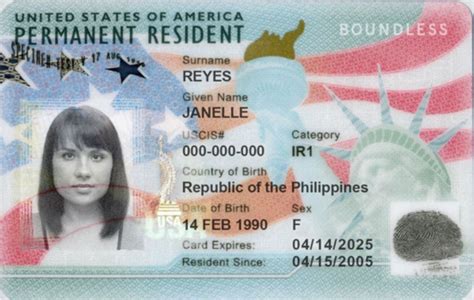
. If you’re not a U.S. citizen, you might use a U.S. permanent resident card or an unexpired foreign passport with a U.S. visa. The document needs to be current, unexpired, and clearly show your name, date of birth, and photograph.
This step ensures that only authorized individuals can request an SSN for a child
, adding a layer of security against potential fraud. It’s all about making sure everything is legitimate, guys! Finally, the SSA needs
proof of your relationship to the child
. This might seem redundant if your name is on the birth certificate, but it’s a distinct requirement. Often, the child’s birth certificate itself serves this dual purpose, as it lists the parents’ names. However, if your name isn’t on the birth certificate for some reason, or if you’re an adoptive parent, other documents might be necessary. This could include an
adoption decree
, a
court order establishing paternity
, or other legal documents that clearly demonstrate your legal relationship to the child. If you’re a legal guardian, you’ll need the court order appointing you as such. For those
applying for a child’s SSN
, having clear evidence of your connection to the child is non-negotiable. So, when you’re gathering these documents, always aim for originals or certified copies. Double-check the SSA website for the most up-to-date list of acceptable documents, as requirements can sometimes change. Being prepared with all these essential documents will save you time and hassle, ensuring your
Social Security Number for child application
proceeds smoothly and efficiently.## The Application Process: Step-by-Step Alright, let’s break down
the application process: step-by-step
for obtaining your child’s Social Security Number. Once you’ve gathered all those crucial documents we just talked about, the actual application itself is relatively straightforward. This guide will walk you through filling out the form, submitting it, and what to expect next. For most
parents applying for a child’s SSN
who didn’t do it at the hospital, this is where the real work begins, but don’t fret – it’s totally doable! The primary form you’ll need is
Form SS-5, Application for a Social Security Card
. You can download this form from the official Social Security Administration (SSA) website (www.ssa.gov) or pick up a physical copy at any local SSA office. It’s a fairly simple, one-page document that asks for basic information about your child and you as the parent. You’ll need to provide your child’s full name, date of birth, place of birth, and gender. It also asks for the full names of both parents, including their Social Security Numbers (if they have one). Don’t worry if one parent doesn’t have an SSN; you can indicate that on the form. Make sure all names match exactly what’s on the birth certificate and your identification documents to avoid any hiccups.
Take your time filling it out
, guys, and double-check every entry. Any inconsistencies can cause delays in processing your
child’s SSN application
. While the form looks simple, accuracy is key here. The form also asks about citizenship, so be prepared to answer that truthfully based on your child’s status. Once you’ve meticulously filled out Form SS-5 and collected all your original supporting documents (child’s birth certificate, your ID, proof of relationship), it’s time to
submit your application
. As mentioned earlier, the safest and most recommended way to
apply for an SSN for an older child
(or if you missed the hospital application) is to visit your local Social Security office in person. You can find the nearest office by using the SSA’s office locator tool on their website. When you go, an SSA representative will review your application and documents on the spot. They will verify your original documents and return them to you immediately, so you don’t have to worry about them getting lost in the mail. This direct interaction also allows you to clarify any questions you might have about the process or your specific situation, which is a huge bonus. While it’s technically possible to mail your application, you would need to send original documents, which can be a risk, and it might take longer for them to be returned. For peace of mind and efficiency,
in-person submission is the way to go for this crucial
Social Security Number for child
step
.
What happens after you apply?
Once your application is submitted and your documents are verified, the SSA will process your request. You won’t receive the SSN immediately. Instead, the Social Security card will be mailed to the address you provided on the application form. Typically, this takes about 7 to 14 business days from the date of your application, though it can sometimes take up to 4 weeks depending on their workload. The SSA doesn’t provide tracking numbers, so it’s a bit of a waiting game. If you don’t receive the card within a reasonable timeframe, you can contact the SSA to inquire about the status. Remember to keep the Social Security card in a safe place once it arrives, and don’t carry it around in your wallet.
It’s a very important document
that needs to be protected, much like a birth certificate. Congratulations, you’ve successfully navigated the
SSN application process for your child
!## What If You Don’t Have All the Documents? (Special Situations) Hey, I get it – life isn’t always a straight line, and sometimes you might find yourself in a situation where you
don’t have all the standard documents
needed for your child’s Social Security Number application. Don’t panic, folks! The Social Security Administration (SSA) understands that there are
special situations
and they have provisions for these challenges. While the standard list of documents (birth certificate, parent’s ID, proof of relationship) is ideal, there are alternative forms of evidence they might accept. The key is to provide as much compelling evidence as possible and be prepared for potentially longer processing times or additional requests for information. It’s all about proving identity, age, and relationship to their satisfaction. For instance, what if you don’t have your child’s original birth certificate? This can happen for various reasons, perhaps it was lost, or for older children, it might be difficult to obtain quickly. In such cases, the SSA may accept other documents as proof of age. These can include a religious record of birth made before age five, a hospital record of birth, or even a U.S. passport (if the child has one). For older children or those born abroad, a school record (showing date of birth) might be considered, or certain medical records. The important thing is that any alternative document should clearly show the child’s name, date of birth, and ideally, their parent’s name. It’s always best to contact the SSA directly or visit their website to confirm what
alternative documents for child SSN
they will accept for your specific situation.
They’re pretty good about providing guidance, guys.
Another common “special situation” arises with
international adoptions or children born outside the U.S.
For these children, the documentation requirements will naturally be different. Instead of a U.S. birth certificate, you’ll likely need the child’s foreign birth certificate (often with a certified English translation), along with their U.S. immigration documents such as a Certificate of Citizenship, a Permanent Resident Card (Green Card), or an unexpired foreign passport with a U.S. visa that authorizes an SSN. The specific documents will depend on the child’s immigration status. It’s crucial to bring all relevant immigration paperwork, as this verifies their legal presence in the U.S. and eligibility for an SSN. The process for
applying for a Social Security Number for an internationally adopted child
can be a bit more complex, so gathering all legal and immigration documents meticulously is paramount. What if you, as the parent, don’t have one of the standard identity documents like a driver’s license or passport? The SSA might accept other forms of identification, such as an employee ID card, a health insurance card (not a Medicare card), or a school ID. Again, these need to be unexpired and show your photo, name, and date of birth. In some rare cases, if you have
absolutely no other form of identification
, you may need to provide a sworn statement from a third party who knows you and can attest to your identity. This is less common but can be an option of last resort. The key message here, folks, is that while the standard document list is the easiest path, there are pathways for those with unique circumstances. Don’t get discouraged! If you’re facing document hurdles for your
child’s SSN application
, take a deep breath, review the SSA’s official guidance, and don’t hesitate to contact them or visit an office to discuss your specific case. They are there to help you navigate these exceptions and ensure your child gets their much-needed
Social Security Number for child
.## Protecting Your Child’s Social Security Number Okay, guys, you’ve done the hard work: you’ve successfully applied for and received your child’s Social Security Number. Now comes arguably the most important part:
protecting your child’s Social Security Number
. This isn’t just a piece of paper; it’s a gateway to their entire financial and administrative identity, and unfortunately, children are increasingly targets of identity theft.
Child identity theft
can go undetected for years because children typically don’t have credit reports until they become adults, giving thieves a long window to open fraudulent accounts or apply for loans in your child’s name.
That’s a scary thought, right?
So, being proactive about safeguarding this crucial number is absolutely essential. The very first rule of
SSN protection for your child
is simple: keep the physical Social Security card in a safe, secure place. This means not carrying it in your wallet or purse. Treat it like a birth certificate or passport – something you store securely at home, perhaps in a fireproof safe or a locked drawer, and only retrieve when absolutely necessary for official purposes. Most places that ask for an SSN only needs the number itself, not the physical card. For instance, when you provide it for tax purposes or to enroll your child in school or for medical care, you typically just need to write down the number.
Never give out the card unless specifically requested by a trusted authority where the physical card is truly required for verification (like the SSA itself for certain services)
. Be wary of anyone asking for the physical card. Beyond physical security,
be extremely cautious about sharing your child’s SSN digitally or verbally
. Only provide it when it’s absolutely necessary and to reputable institutions that
require
it. For example, your pediatrician’s office might ask for it, but often it’s optional; they usually only need it for billing or insurance purposes. Ask
why
they need it and if there are alternatives. If a school asks for it, inquire if it’s truly mandatory or if it’s for optional programs. Many schools use it for administrative tracking, but might not
require
it for enrollment.
Always question requests for your child’s SSN
, especially if they come via unsolicited phone calls, emails, or text messages. These are often phishing scams trying to trick you into revealing sensitive information. A legitimate organization will rarely ask for an SSN over an unsecure channel.
Monitoring your child’s identity
is another critical layer of protection. While children don’t typically have credit reports until they’re older, you can take steps to check for potential misuse. If you suspect
child identity theft
, you can contact the three major credit bureaus (Equifax, Experian, TransUnion) to see if a credit file exists under your child’s name. If one does, it’s a red flag, as a child shouldn’t have a credit report. You can also place a credit freeze on your child’s file, which prevents new accounts from being opened in their name. This is a powerful preventative measure. Furthermore, teach your child, as they grow older, about the importance of their SSN and how to keep it safe. Educating them early helps build good habits. By being vigilant, cautious, and proactive in
protecting your child’s Social Security Number
, you’re not just safeguarding a number; you’re safeguarding their future well-being and preventing potential headaches that could take years to resolve. It’s a small effort now for huge peace of mind later!
