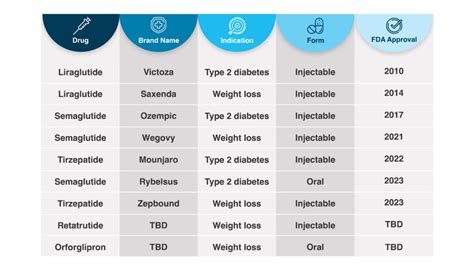
GLP-1 Explained: Your Guide to Weight Loss & Diabetes\n\nHey there, health seekers and curious minds! Ever heard people buzzing about
GLP-1
and wondered what in the world they’re talking about? You’re definitely not alone.
GLP-1
, or Glucagon-Like Peptide-1, is a hot topic right now, especially when it comes to managing conditions like type 2 diabetes and tackling weight loss. But beyond the headlines and social media chatter, what does it
really
mean for you, and how does this incredible discovery work its magic inside our bodies? Well, guys, you’ve come to the right place because we’re about to dive deep into the fascinating world of GLP-1, breaking down everything you need to know in a friendly, easy-to-understand way. We’ll explore its natural role, how medications harness its power, and why so many people are finding it to be a game-changer for their health journey. So, grab a comfy seat, because by the end of this article, you’ll be a GLP-1 guru, ready to understand its profound impact on your metabolism, appetite, and overall well-being. This isn’t just about scientific jargon; it’s about empowering you with knowledge that could literally transform how you think about managing your health. Understanding GLP-1 is crucial because it’s revolutionizing treatment approaches, offering new hope and effective tools for millions. Let’s get started on unraveling this crucial peptide and its role in modern medicine, from its natural occurrence to its pharmaceutical applications, ensuring you grasp the full scope of its significance.\n\n## What Exactly is GLP-1 and How Does It Work Its Magic?\n\nAlright, let’s get down to the nitty-gritty of
what GLP-1 actually is
and how this tiny but mighty molecule orchestrates so many crucial processes in your body. At its core,
GLP-1
(Glucagon-Like Peptide-1) is a natural hormone that your intestines produce. Think of it as one of your body’s clever messengers, specifically released after you eat. When food hits your digestive system, your L-cells, found in the lining of your gut, spring into action and release GLP-1. Now, here’s where the magic really begins: GLP-1 doesn’t just hang around; it travels through your bloodstream, heading to various parts of your body to perform a symphony of metabolic functions. One of its most important roles, and arguably the reason it’s garnered so much attention, is its ability to influence blood sugar levels. When GLP-1 reaches your pancreas, it tells the beta cells to release more insulin, but here’s the cool part: it only does this when your blood sugar is high. This means it’s incredibly smart and avoids causing your blood sugar to drop too low, which is a common concern with some older diabetes medications. Simultaneously, GLP-1 also suppresses the release of glucagon, another hormone produced by the pancreas that typically raises blood sugar. By reducing glucagon, it further helps to keep those sugar levels in check. But the
GLP-1
story doesn’t end there! It also plays a significant role in your brain and stomach. In your stomach, it slows down gastric emptying, meaning food stays in your stomach for longer. This isn’t just a random act; it contributes to that feeling of fullness and satisfaction after a meal, preventing you from getting hungry too quickly. And in your brain, GLP-1 acts on receptors that control appetite, helping to reduce cravings and make you feel less hungry overall. This dual action on satiety—both by slowing digestion and signaling to the brain—is a major reason why GLP-1-based medications are so effective for weight management. So, to sum it up, this natural hormone is a true multitasker: it boosts insulin when needed, lowers glucagon, slows down your stomach, and tells your brain you’re full. Pretty awesome, right? Understanding the intricate dance of GLP-1 within your body helps us appreciate why it’s such a valuable target for modern medicine in treating conditions like type 2 diabetes and obesity. It’s a natural regulator, working to keep your internal systems balanced and your metabolism humming along smoothly. This comprehensive understanding of GLP-1’s mechanism is key to appreciating its therapeutic potential and the innovative treatments it has inspired.\n\n## The Game-Changing Benefits of GLP-1 Receptor Agonists\n\nNow that we know the incredible natural functions of
GLP-1
, let’s talk about how modern medicine has harnessed its power through what we call
GLP-1 receptor agonists
(GLP-1 RAs). These medications are synthetic versions that mimic the action of your body’s natural GLP-1, but with a crucial difference: they are designed to last much longer in your system, providing sustained benefits. And believe me, the benefits are truly game-changing for many people struggling with type 2 diabetes and obesity. One of the most talked-about advantages, and a primary reason for the recent surge in popularity, is significant
weight loss
. Because GLP-1 RAs activate the same receptors in the brain that reduce appetite and slow gastric emptying, users often report feeling much fuller with smaller portions and experiencing fewer cravings throughout the day. This isn’t just about feeling less hungry; it’s about fundamentally reshaping your relationship with food and making it easier to stick to a healthier eating pattern. We’re talking about substantial and clinically meaningful weight reduction for many individuals, which can profoundly improve overall health and quality of life. Beyond the impressive weight loss,
GLP-1 RAs
are also powerhouses for
blood sugar control
. For individuals with type 2 diabetes, these medications are incredibly effective at lowering HbA1c levels, which is a key indicator of long-term blood sugar management. They achieve this by stimulating glucose-dependent insulin secretion (meaning insulin is released only when blood sugar is high), and by suppressing glucagon release, which prevents the liver from dumping excess sugar into the bloodstream. This dual action makes them a highly effective and safe option for managing diabetes without the high risk of hypoglycemia (low blood sugar) that can be associated with some older diabetes drugs. But wait, there’s more! Research has also unveiled exciting
cardiovascular benefits
associated with several GLP-1 RAs. Studies have shown that some of these medications can reduce the risk of major adverse cardiovascular events like heart attack, stroke, and cardiovascular death in people with type 2 diabetes who also have established cardiovascular disease or multiple cardiovascular risk factors. This is a huge deal, as cardiovascular complications are a leading cause of morbidity and mortality in diabetic populations. Some GLP-1 RAs also have shown benefits in reducing blood pressure and improving cholesterol profiles, further contributing to heart health. Furthermore, there’s ongoing research into other potential benefits, including effects on kidney health and even neuroprotective properties. While these areas are still being explored, the current evidence for weight loss, glycemic control, and cardiovascular protection already makes GLP-1 RAs an incredibly powerful tool in modern medicine. These aren’t just minor improvements; for many, these benefits represent a significant shift towards a healthier, longer, and more active life, providing hope where previous treatments might have fallen short. The comprehensive impact of these medications underscores why they are considered such a transformative advancement in therapeutic options for chronic metabolic diseases.\n\n## Who Can Benefit from GLP-1 Therapies?\n\nSo, with all these amazing benefits, you might be asking:
