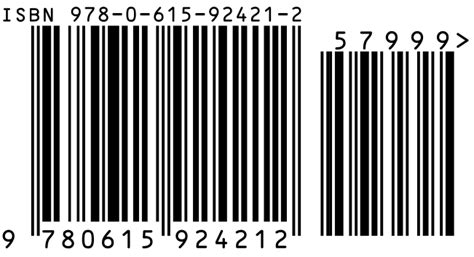
International ISBNs: Your Guide to Global Book IdentifiersHey everyone, ever wondered what those seemingly random numbers on the back of your favorite books actually mean? Well, let me tell you, those aren’t just arbitrary digits; they’re
International ISBNs
, and they’re the
unique fingerprint
for every single book edition out there! Understanding
International ISBNs
is absolutely crucial in today’s
global book commerce
, playing an indispensable role in everything from
library systems
to
supply chain logistics
. Seriously, guys, without them, the entire literary world would be a much more chaotic place.Think of an
International ISBN
as your book’s passport to the world. It’s how publishers, booksellers, libraries, and even us readers can precisely identify and track a specific edition of a book, no matter where it’s published or sold. This system simplifies
book identification
and
tracking
worldwide, making it possible for millions of titles to be cataloged, ordered, and discovered efficiently. Whether you’re an author dreaming of seeing your masterpiece on shelves, a publisher managing a vast catalog, or just a passionate reader trying to snag a specific translation or format, grappling with the concept of
International ISBNs
is absolutely essential. We’ve all been there, trying to figure out if that paperback is the
exact same
edition as the hardcover, or if an e-book has different content. These little numbers cut through all that confusion. This comprehensive guide is designed to demystify
International ISBNs
, revealing why they’re so vital and how they underpin the entire
book ecosystem
. So, let’s dive in and unpack the incredible power of these global book identifiers!## What Exactly is an International Standard Book Number (ISBN)?At its core, an
International Standard Book Number (ISBN)
is a commercial book identifier that’s unique to each edition and format of a published book. Sounds simple, right? But there’s a lot more to it! This system originated in the United Kingdom in the late 1960s, evolving from the Standard Book Numbering (SBN) system, and quickly became a global standard due to its sheer effectiveness. Today, an
International ISBN
is a
13-digit number
, though you might still occasionally see the older
ISBN-10
format, which was used until January 1, 2007. The transition to
ISBN-13
was primarily driven by the need for more identification capacity, as the world of publishing expanded exponentially.Every single
ISBN
is a
one-of-a-kind identifier
for a specific book. This means that a hardcover version of a book will have a different
ISBN
than its paperback counterpart, its e-book version, or an audiobook. Even different translations or revised editions will require their own distinct
ISBN
. This level of granularity is what makes the system so incredibly powerful and precise.The
ISBN-13
is composed of five distinct parts, each separated by hyphens (though these hyphens might not always appear in digital listings or barcodes, the structure remains):*
Prefix Element:
This is either ‘978’ or ‘979’. Currently, ‘978’ is the most common, but ‘979’ is being phased in to expand the available numbers.*
Registration Group Element:
This identifies a particular country, language area, or geographical region. For instance, ‘0’ or ‘1’ are often for English-speaking countries.*
Registrant Element:
This identifies a specific publisher within that registration group. A large publisher might have many books, and this part ties them all back to their publishing house.*
Publication Element:
This identifies a specific title and edition of a book from that publisher. This is where the
unique identifier
for your book comes in.*
Check Digit:
This is a single digit used to validate the rest of the number mathematically, ensuring its accuracy.The job of assigning and managing these numbers falls to the
International ISBN Agency
, which oversees a network of
national ISBN agencies
around the world. These national agencies are the ones you’ll typically interact with if you’re an author or publisher looking to acquire
ISBNs
. This robust, multi-tiered structure ensures
global standardization
, making it easy for books to be recognized and processed across diverse markets and languages. So, when you see that
International ISBN
on a book, you’re not just looking at a number; you’re looking at a carefully constructed code that pinpoints that exact publication in the vast universe of books. It’s an unsung hero of the publishing world, ensuring that every book has its own distinct identity.## Why Are International ISBNs So Crucial in the Book World?Guys, let’s be real:
International ISBNs
aren’t just some bureaucratic requirement; they are
crucial
tools that literally make the modern book world go round. Their importance cannot be overstated for every single player in the vast literary ecosystem. For
authors
and
publishers
, an
ISBN
is the ultimate key to
market access
and
discoverability
. Without an
ISBN
, your book is essentially invisible to the vast majority of booksellers, distributors, and libraries. It acts as a
passport
for your book, allowing it to be listed in major databases, online stores, and catalog systems worldwide. This means
streamlined publishing processes
, where your book’s metadata (think title, author, description) can be accurately linked and distributed. It also enables precise
sales tracking
, helping you understand how your book is performing across different channels and regions. For a self-published author, owning your own
International ISBN
lends an air of professionalism and opens up distribution avenues that might otherwise be closed.Next up, consider
retailers
and
distributors
. Imagine trying to manage an inventory of hundreds of thousands of books without a unique identifier for each one. Pure chaos, right?
International ISBNs
are the backbone of their operations, facilitating efficient
inventory management
, seamless
ordering efficiency
, and incredibly complex
supply chain logistics
. When a customer buys a specific paperback edition, the
ISBN
ensures the right book is pulled from the warehouse, shipped, and restocked. Without these unique numbers, identifying the correct version of
War and Peace
or the latest bestseller would be a logistical nightmare, leading to incorrect orders, delays, and frustrated customers.Libraries, too, rely heavily on
International ISBNs
for
cataloging
and
resource sharing
. Every book acquired by a library is cataloged using its
ISBN
, ensuring that patrons can easily find the
exact edition
they’re looking for, whether it’s a large print version, a specific academic text, or a new translation. It also facilitates inter-library loans, making it possible for institutions to share resources across vast networks. And for us
readers
? While we might not think about
ISBNs
consciously, they are indirectly making our lives easier. They ensure that when you search for a particular book online or ask for it at a bookstore, you’re likely to get the
exact edition
you’re after. No more accidentally buying the abridged version when you wanted the full text, or a dated edition when a new one is available.Finally, and perhaps most importantly,
International ISBNs
are absolutely vital for
global reach
. They facilitate
international sales
and
distribution
, allowing books to transcend borders and reach readers all over the world. A publisher in the US can sell their book in Europe, Asia, or South America, knowing that the
ISBN
provides a universal identification system. In essence, an
ISBN
isn’t just a number; it’s a
powerful tool
that underpins the entire
global book industry
, connecting authors, publishers, distributors, libraries, and readers in a coherent, functional, and efficient system. It’s the silent workhorse that ensures your next great read finds its way into your hands.## How to Navigate the Process of Getting an International ISBNSo, you’ve written a book, and now you’re thinking,
