NVIDIA ShadowPlay Audio Fixes: Record Your Game Sound
NVIDIA ShadowPlay Audio Fixes: Record Your Game Sound
Hey guys, ever been in the middle of an epic gaming session, pulled off some insane moves, and thought, “Man, I have to record this!” So you hit that hotkey for NVIDIA ShadowPlay, thinking you’ve captured pure gold, only to watch it back and realize… there’s no sound? Nothing . Just silent footage of your awesome gameplay. It’s incredibly frustrating, right? You’re not alone! The problem of NVIDIA ShadowPlay not recording audio is a surprisingly common issue that many gamers encounter. Whether it’s your game sound , your microphone commentary , or even both that are missing, this guide is here to walk you through all the potential fixes. We’re going to dive deep into troubleshooting, making sure you understand why this problem occurs and, more importantly, how to get your game audio and mic working perfectly with ShadowPlay. We’ll cover everything from simple checks to more advanced system configurations, ensuring your future recordings are rich with all the glorious sound they deserve. Getting your audio right isn’t just about capturing evidence of your skill; it’s about preserving the full experience – the explosions, the character dialogue, the background music, and your witty remarks. Without sound, even the most breathtaking moments can feel a little… flat. So, let’s get you back to recording those unforgettable gaming memories, complete with crystal-clear audio! Trust me, once you nail these settings, you’ll wonder why you ever struggled. We’re talking about a comprehensive approach to fixing common and not-so-common audio glitches within ShadowPlay, ensuring that every frame you capture also carries the vibrant soundscape of your gaming world. This isn’t just about toggling a few buttons; it’s about understanding the intricate dance between your operating system, NVIDIA drivers, and ShadowPlay’s internal settings to achieve perfect harmony in your game recordings. Stick with me, and we’ll have your ShadowPlay audio issues banished for good, allowing you to create truly immersive content. Ready? Let’s fix this audio problem once and for all and ensure your NVIDIA ShadowPlay not recording audio woes become a thing of the past. We’ll explore various scenarios, from incorrect default devices to privacy settings, and even conflicting software, providing you with a complete toolkit for diagnostics and resolution. By the end of this article, you’ll be an expert at debugging ShadowPlay audio, capable of tackling any related issue with confidence.
Table of Contents
- Understanding Why NVIDIA ShadowPlay Fails to Capture Audio
- Essential Pre-Checks Before Deeper Troubleshooting
- Configuring NVIDIA ShadowPlay Audio Settings Correctly
- System-Level Audio Settings and Driver Solutions
- Advanced Troubleshooting and Common Pitfalls
- What to Do If All Else Fails?
- Conclusion: Enjoy Seamless Game Recording!
Understanding Why NVIDIA ShadowPlay Fails to Capture Audio
When your
NVIDIA ShadowPlay isn’t recording audio
, it can feel like a mystery, but there are usually very specific reasons behind it. It’s not just a random glitch; often, it’s a conflict or misconfiguration somewhere in the complex chain of your PC’s audio system, NVIDIA’s software, and the game itself. Let’s break down the most common culprits so you can pinpoint where your particular problem lies. First off, one of the biggest reasons for
ShadowPlay audio issues
stems from incorrect audio device selection within ShadowPlay or your Windows sound settings. Many guys have multiple audio devices connected – headphones, speakers, a dedicated microphone, maybe even a VR headset. If ShadowPlay isn’t explicitly told which device to listen to for
game sound
(system audio) and which one for your
voice commentary
(microphone), it might just pick the wrong one, or worse, pick
none
at all. This is particularly prevalent if you switch between devices frequently, as Windows sometimes defaults to an unexpected output. Think about it: if your game audio is coming through your fancy gaming headset, but ShadowPlay is configured to record from your monitor’s built-in speakers (which are off or muted), you’re going to end up with silent footage. Similarly, if your primary mic isn’t set as the default recording device in Windows, or if ShadowPlay itself isn’t pointing to the correct microphone, your voice won’t be captured. This often manifests as
microphone not working ShadowPlay
problems. Another significant factor is outdated or corrupted audio drivers and graphics drivers. While NVIDIA ShadowPlay is part of GeForce Experience, which is tied to your graphics card, audio relies heavily on your sound card drivers. If these drivers are old, bugged, or conflicting with other software, they can prevent ShadowPlay from properly accessing and recording audio streams. Sometimes, a Windows update can inadvertently mess with driver compatibility, leading to sudden
system sound not recording ShadowPlay
problems even if it was working fine before. It’s like having all the right ingredients but a broken mixer – nothing’s going to blend correctly. Next, privacy settings in Windows
10
⁄
11
can be a sneaky culprit. Modern Windows versions have stringent privacy controls, especially concerning microphone access. If you haven’t explicitly granted
GeForce Experience
permission to access your microphone, ShadowPlay simply won’t be able to pick up your voice, even if all other settings are perfect. This is a common oversight that can easily lead to a
ShadowPlay mic not recording
headache. Furthermore, conflicting software can also play a role. Applications like Discord, OBS Studio, or other recording software might be hogging exclusive control over your audio devices, preventing ShadowPlay from accessing them. If you run multiple voice chat apps or streaming tools simultaneously, they might interfere with ShadowPlay’s ability to grab audio streams, leading to
game sound not recording
woes. Even specific game engines or anti-cheat software can sometimes block recording hooks, affecting audio capture. Finally, and often overlooked, are the internal ShadowPlay settings themselves. There are options for recording separate audio tracks (one for system sound, one for microphone) and different audio levels. If these are configured incorrectly, or if the volume sliders are too low, you might think there’s
no audio
when there’s actually just
very faint audio
. Understanding these underlying causes is the first crucial step to effectively troubleshooting and fixing your
NVIDIA ShadowPlay not recording audio
problem. Once you know
why
it’s happening, finding the solution becomes much, much easier. Each of these potential issues contributes to the overall complexity, making a systematic approach to troubleshooting absolutely essential. Without a clear understanding of where the breakdown is occurring, you might spend hours fiddling with settings that aren’t even related to the root cause. This section arms you with the foundational knowledge to approach the subsequent solutions with confidence, turning a frustrating technical challenge into a solvable puzzle. Remember, the goal is not just to fix the problem, but to understand it, so you can prevent similar issues from arising in the future and ensure your game recordings are consistently perfect. So, let’s move on and tackle these issues head-on, ensuring your
NVIDIA ShadowPlay audio fix
is a permanent one.
Essential Pre-Checks Before Deeper Troubleshooting
Before we dive into the nitty-gritty of advanced settings and driver updates, let’s knock out some quick, essential pre-checks that often resolve
NVIDIA ShadowPlay not recording audio
issues without needing to go any further. Think of these as the low-hanging fruit – easy wins that can save you a lot of time and frustration. Many times, guys overlook the simplest solutions, and it turns out to be something incredibly basic! First and foremost, have you tried the classic IT solution:
restarting your computer
? Seriously, a simple system reboot can often clear temporary glitches, reset audio drivers, and resolve conflicts that are preventing
ShadowPlay audio issues
. It’s like giving your PC a fresh start, allowing all its components and software to load up cleanly. Don’t underestimate the power of a good old restart! Next, let’s quickly verify your volume levels. It might sound obvious, but sometimes the game’s in-game volume is turned down, or your system’s master volume is low, or even specific application volumes in the Windows Volume Mixer are muted. Right-click on the speaker icon in your system tray, open the
Volume Mixer
, and ensure that your game, GeForce Experience, and any related applications aren’t muted or set to an extremely low volume. It’s a common oversight leading to
game sound not recording
woes. Similarly, check the physical connections of your headphones or speakers. Are they fully plugged in? Is your microphone securely connected? Sometimes a loose cable is all it takes to cause a
microphone not working ShadowPlay
problem. A quick unplug and replug can confirm the connection. While you’re checking physicals, ensure any mute buttons on your headset or microphone are
off
. It sounds silly, but we’ve all done it! Another quick test: open a different application that uses audio, like YouTube in your browser or a music player. Can you hear sound there? If not, the problem might be system-wide, indicating a broader audio driver issue rather than just ShadowPlay. If you
can
hear sound elsewhere, then we know the issue is more specific to ShadowPlay itself. Don’t forget to check if ShadowPlay is actually
enabled
and running. Open GeForce Experience, go to the “Settings” cogwheel, and ensure “In-Game Overlay” is toggled on. Sometimes, after an update, this setting might reset. Also, try toggling it off and on again, then restart GeForce Experience. This simple action can sometimes kickstart the overlay and resolve minor
ShadowPlay audio fix
glitches. Finally, if you’ve recently installed any new software, especially other recording tools, voice changers, or virtual audio cables, try temporarily disabling or uninstalling them. These can often create conflicts that lead to
system sound not recording ShadowPlay
problems. Just disable them for a quick test recording to see if they’re the culprit. By running through these quick pre-checks, you’re systematically eliminating the most common and easiest-to-fix issues. If your
NVIDIA ShadowPlay not recording audio
problem persists after these steps, then we know the issue is a bit more complex, and we’ll need to dig deeper into the specific settings, which is exactly what we’ll do in the next sections. These small, often overlooked details are surprisingly frequent causes of recording frustrations, and ruling them out early on streamlines the entire troubleshooting process. So, take a moment, go through this checklist thoroughly, and ensure you haven’t missed any basic but crucial steps. It’s all about building a solid foundation before tackling the more intricate solutions.
Configuring NVIDIA ShadowPlay Audio Settings Correctly
Alright, guys, if those initial checks didn’t magically fix your
NVIDIA ShadowPlay not recording audio
problem, it’s time to get hands-on with ShadowPlay’s internal audio settings. This is often where the
ShadowPlay audio fix
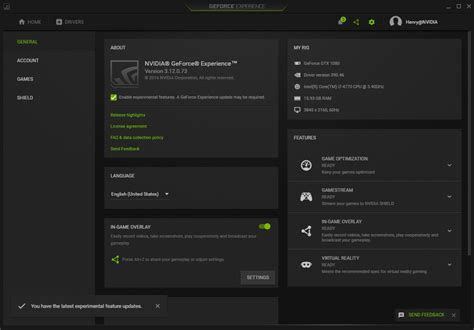
truly begins, as misconfigured settings within GeForce Experience itself are a primary reason for recording silence. We’re going to dive deep into the in-game overlay’s audio options and ensure everything is set up just right for perfect sound capture. First, open GeForce Experience and click on the “Settings” cogwheel. Then, under the “In-Game Overlay” section, click on “Settings” again to access the overlay’s specific configurations. From there, navigate to the “Audio” section. This is your command center for ShadowPlay’s sound! You’ll typically see two main categories here:
Microphone
and
System Sounds
. Let’s tackle them one by one. For
Microphone
, you need to ensure the correct input device is selected. Many gamers have multiple microphones – a built-in webcam mic, a headset mic, a dedicated USB mic. If the wrong one is chosen, you’ll definitely encounter
microphone not working ShadowPlay
issues. Click the dropdown menu and carefully select the microphone you intend to use for your commentary. After selecting, you’ll see a volume slider. Make sure this isn’t set too low or, worse, completely muted. It’s often helpful to set it around 70-80% initially and then adjust based on your testing. You might also find a “Boost” slider or option; this can be useful for quieter microphones but be careful not to overdo it, as it can introduce static or background noise. Test your mic by talking into it while watching the volume meter (if available) or by doing a quick test recording. Now, let’s move to
System Sounds
. This is crucial for capturing your
game sound not recording
. Similar to the microphone, you need to ensure ShadowPlay is listening to the correct output device for your game audio. This is often your primary speakers or gaming headset. Again, click the dropdown menu and select the output device that your game audio is actually coming through. Just like with the microphone, there’s a volume slider for system sounds. Keep this around 70-80% initially. If it’s too low, your game sounds will be barely audible; if it’s muted, you’ll have
system sound not recording ShadowPlay
problems. A really important feature to look for in the Audio settings is the “Separate both tracks” or similar option under the “Audio Sources” setting. If this is enabled, ShadowPlay will record your game audio and microphone audio onto
two separate tracks
within the same video file (or sometimes two separate files, depending on the software you use to edit them). While this gives you fantastic control in post-production (you can adjust mic volume independently of game volume), it also means that if your video player
only
plays the primary audio track, you might not hear your mic or game audio depending on how it’s encoded. For simplicity and to rule out this as a source of
NVIDIA ShadowPlay not recording audio
, ensure this option is set to “Single track” or “Both tracks combined” for initial testing. If you’re encountering
ShadowPlay mic not recording
but game audio is fine, or vice-versa, double-check these separate track settings. Once you’ve adjusted these settings, don’t just assume they’ll work.
Always
perform a quick test recording (even just 10-15 seconds) and play it back immediately. Listen carefully to ensure both your game audio and your microphone commentary are present and at acceptable levels. It’s an iterative process, and you might need to tweak the volume sliders a few times to find the perfect balance for your setup. Remember, consistency is key. Make sure your chosen audio devices here match what you have set as your default communication and playback devices in Windows, which we’ll discuss more in the next section. By diligently configuring these internal ShadowPlay audio settings, you’re taking a huge step towards resolving your audio recording woes and getting your
NVIDIA ShadowPlay audio fix
firmly in place. This detailed configuration ensures that ShadowPlay knows exactly
what
to record and
from where
, eliminating many of the common reasons for silent gameplay footage. Without correctly specifying these inputs and outputs, ShadowPlay is effectively trying to record a concert where it can’t hear the band or the lead singer. Take your time with this section; it’s fundamental to achieving high-quality, fully audible game recordings every single time. And remember, small adjustments can make a big difference, so don’t be afraid to experiment slightly with the volume levels until you find your sweet spot for both game and mic audio clarity and balance in your
ShadowPlay audio fix
journey.
System-Level Audio Settings and Driver Solutions
If adjusting ShadowPlay’s internal settings didn’t quite get rid of your
NVIDIA ShadowPlay not recording audio
problem, it’s time to look at the broader picture: your Windows system-level audio settings and, crucially, your drivers. This is often where the
ShadowPlay audio issues
truly manifest, as a misconfigured operating system or outdated driver can override even the perfect ShadowPlay settings. Let’s walk through these critical areas. First, navigate to your Windows Sound Settings. The easiest way is to right-click the speaker icon in your system tray and select “Sound Settings” or “Sound.” In Windows
10
⁄
11
, you’ll find options for “Output” and “Input” devices. Under “Output,” ensure your primary speakers or gaming headset (the device you
hear
game audio from) is selected as the default playback device. If you use a dedicated headset for gaming, make sure
it
is chosen, not your monitor’s speakers or a different unused device. This is paramount for preventing
game sound not recording
. Similarly, under “Input,” ensure your preferred microphone (the one you
speak
into) is selected as the default recording device. Many guys overlook this, and if Windows isn’t sending your mic input to the correct stream, ShadowPlay won’t pick it up, leading to
microphone not working ShadowPlay
. While you’re in the Sound Settings, click on “Manage Sound Devices” or similar. Here, you can disable any unused input or output devices. This can prevent Windows (and by extension, ShadowPlay) from getting confused about which device to use. Less clutter, fewer potential conflicts! Next up, and this is a
huge
one for modern Windows users, are privacy settings. Windows
10
⁄
11
has strict privacy controls for microphone access. If you haven’t granted permission, ShadowPlay simply won’t be able to hear you. Go to “Start” > “Settings” > “Privacy” (or “Privacy & security” in Windows 11) > “Microphone.” Make sure “Microphone access for this device is on” and “Allow apps to access your microphone” is toggled
on
. More importantly, scroll down the list of apps and ensure that “NVIDIA Container” (which is part of GeForce Experience) and any related NVIDIA services are explicitly
allowed
to access your microphone. Without this, your
ShadowPlay mic not recording
problem is a guaranteed outcome. This simple privacy setting has tripped up countless users. Moving onto drivers, this is where many
system sound not recording ShadowPlay
problems originate. You need to ensure both your
audio drivers
and
graphics drivers
are up to date. For audio drivers: Go to “Device Manager” (search for it in the Windows Start Menu). Expand “Sound, video and game controllers.” Locate your audio device (e.g., Realtek High Definition Audio, NVIDIA High Definition Audio, or your headset’s specific driver). Right-click it and select “Update driver.” Choose to search automatically for updated driver software. If that doesn’t find anything, visit your motherboard manufacturer’s website (for onboard audio) or your headset manufacturer’s website and download the latest drivers directly. Perform a clean installation if possible. For graphics drivers: While primarily for video, NVIDIA’s graphics drivers also include components for ShadowPlay and can sometimes affect audio passthrough. Open GeForce Experience, go to the “Drivers” tab, and check for updates. Always opt for a “Custom Installation” and select “Perform a clean installation” to remove old, potentially corrupted driver files. This is a powerful
NVIDIA ShadowPlay audio fix
for many stubborn issues. After updating any drivers,
always restart your PC
. Drivers often require a fresh boot to fully integrate and function correctly. Finally, consider temporarily disabling any audio enhancements or virtual surround sound software that comes with your sound card or headset (e.g., DTS Sound Unbound, Dolby Atmos for Headphones, Realtek Audio Console enhancements). While these can improve your listening experience, they can sometimes interfere with how ShadowPlay captures raw audio streams. Test without them to see if they are the cause of your
NVIDIA ShadowPlay not recording audio
problem. By systematically checking and adjusting these system-level audio settings and ensuring your drivers are fresh and clean, you’re addressing the deeper infrastructure issues that might be preventing ShadowPlay from doing its job. This comprehensive approach is vital for a robust and lasting solution to all your audio recording frustrations, especially when dealing with persistent
ShadowPlay audio issues
. Don’t skip these steps; they are often the key to unlocking consistent, high-quality audio capture in all your gaming endeavors. Many users report that after thoroughly cleaning up their drivers and ensuring Windows privacy settings are correct, their audio problems vanished, proving just how critical these steps are. It truly is about ensuring all layers of your system are working in harmony for that perfect capture.
Advanced Troubleshooting and Common Pitfalls
If you’ve meticulously gone through all the basic checks, correctly configured ShadowPlay’s internal settings, and updated your system-level audio and graphics drivers, yet your
NVIDIA ShadowPlay not recording audio
problem persists, it’s time to delve into some more advanced troubleshooting and common pitfalls that can still plague your recordings. These issues often involve conflicts with other software, specific game eccentricities, or deeper software corruptions that require a bit more effort to unravel. Let’s tackle these head-on, guys, to get your
NVIDIA ShadowPlay audio fix
finally in place. One of the most common advanced issues stems from
conflicting software
. Applications like Discord, OBS Studio, Voicemod, or even some third-party sound equalizers can sometimes grab exclusive control of your audio devices, preventing ShadowPlay from accessing them. If you’re running any other recording software or voice communication apps simultaneously with ShadowPlay, try closing them completely before starting a ShadowPlay recording. For Discord, specifically, check its Voice & Video settings to see if it’s using “Exclusive Mode” for your microphone or speakers, and try disabling it. Sometimes, disabling in-game overlays from other apps (like Steam, Origin, Epic Games Launcher, or even specific game launchers) can also prevent conflicts, as multiple overlays trying to hook into the same game process can cause instability, including
ShadowPlay audio issues
. Another thing to consider is running GeForce Experience and the game itself in
Administrator Mode
. Right-click on the GeForce Experience shortcut and the game’s executable, select “Properties,” go to the “Compatibility” tab, and check “Run this program as an administrator.” Sometimes, insufficient permissions can prevent ShadowPlay from properly accessing system resources, including audio streams, leading to
system sound not recording ShadowPlay
problems. This is particularly true if you have strict User Account Control (UAC) settings in Windows. If you’re experiencing
game sound not recording
in
only one specific game
but ShadowPlay works fine in others, the problem might be with the game itself. Some older games, or games with specific anti-cheat software, can interfere with recording overlays. Try searching online forums for that particular game and “ShadowPlay audio” to see if other players have found workarounds or if it’s a known incompatibility. In some rare cases, the game’s own audio settings might be configured in a way that makes it difficult for external recorders to capture. Check the in-game audio options for anything unusual, like specific API selections (DirectSound vs. WASAPI) or unusual speaker configurations. A more drastic, but often effective, step for persistent issues is a
clean reinstallation of GeForce Experience
. This goes beyond just updating drivers. First, uninstall GeForce Experience through Windows “Add or remove programs.” Then, download the latest GeForce Experience installer directly from NVIDIA’s website. When installing, choose the “Custom installation” option and make sure to check “Perform a clean installation.” This wipes out all previous configuration files and potentially corrupted components, giving you a fresh start. Many users have found this to be the ultimate
ShadowPlay mic not recording
fix when nothing else works. Furthermore, consider checking your Windows services. Search for “Services” in the Windows Start Menu. Look for services related to NVIDIA (like NVIDIA Display Container LS, NVIDIA LocalSystem Container, NVIDIA Telemetry Container). Ensure their “Startup type” is set to “Automatic” and that they are all “Running.” If any are stopped, try starting them. These services are crucial for GeForce Experience and ShadowPlay to function correctly. Finally, investigate if you have any virtual audio cables or third-party audio routing software installed (e.g., VB-Cable, VoiceMeeter Banana). While these tools are incredibly useful for advanced audio setups, they can easily reroute audio in ways that ShadowPlay isn’t expecting, causing it to miss streams entirely. If you have any such software, try temporarily disabling or uninstalling it to see if it resolves your
NVIDIA ShadowPlay not recording audio
problem. These advanced steps delve deeper into the software ecosystem of your PC, addressing conflicts and corruptions that simple setting adjustments might miss. By patiently working through these solutions, you’re significantly increasing your chances of permanently resolving your audio recording woes and ensuring your future gaming captures are always accompanied by rich, vibrant sound. It’s all about leaving no stone unturned in the quest for that perfect recording setup.
What to Do If All Else Fails?
Alright, guys, you’ve tried everything. You’ve gone through the basic checks, meticulously configured ShadowPlay’s settings, updated all your drivers, and even delved into advanced troubleshooting and conflict resolution. Yet, your
NVIDIA ShadowPlay not recording audio
problem stubbornly remains. Don’t throw your headset at the wall just yet! While it’s incredibly frustrating, there are still a few avenues you can explore, and importantly, alternative solutions to ensure your gaming moments are still captured with sound. First off, if you’ve exhausted all the previous troubleshooting steps, it’s a good idea to
document your issue thoroughly
. Take screenshots of your ShadowPlay audio settings, your Windows sound settings, your Device Manager, and any error messages you might have encountered. Note down all the steps you’ve already taken. This documentation will be invaluable when seeking further help. Your next immediate step should be to leverage community forums and NVIDIA’s official support channels. Head over to the
official NVIDIA GeForce forums
. There’s a vast community of users, many of whom have encountered similar
ShadowPlay audio issues
. Search the forums for your specific problem, or create a new detailed post outlining your situation and the steps you’ve already tried. Often, someone else has found a niche solution that applies to a very specific setup like yours. When posting, be polite, clear, and provide as much detail as possible, including your system specs (CPU, GPU, RAM, Windows version, specific audio devices). This significantly helps others help you find that elusive
NVIDIA ShadowPlay audio fix
. Don’t forget to check out
Reddit communities
like r/nvidia or r/GeForceExperience. These subreddits are often hotspots for troubleshooting and innovative solutions. Beyond community support,
NVIDIA’s official support
is there for a reason. Visit the NVIDIA support website and look for options to submit a support ticket. Again, provide all your detailed information and troubleshooting steps. They might have proprietary tools or diagnostic procedures that can help identify the root cause of your
ShadowPlay mic not recording
or
system sound not recording ShadowPlay
problems. While waiting for a definitive
ShadowPlay audio fix
from NVIDIA or the community, you don’t have to stop recording your gameplay! This is where
alternative recording software
comes into play. There are several excellent options that can capture your game and mic audio reliably: *
OBS Studio
: This is a free, open-source, and incredibly powerful tool for recording and streaming. It has extensive audio configuration options and is highly customizable. While it might have a steeper learning curve than ShadowPlay, it offers unparalleled control and reliability. Many streamers and content creators swear by it for good reason. It’s a fantastic fallback for when
game sound not recording
with ShadowPlay is your biggest headache. *
Streamlabs Desktop
: Built on OBS, Streamlabs offers a more user-friendly interface with many of the same powerful features, designed with streamers in mind. It’s also free. *
Xbox Game Bar
: Integrated into Windows
10
⁄
11
, the Xbox Game Bar (Windows Key + G) offers basic recording functionality. While not as feature-rich as ShadowPlay or OBS, it’s incredibly easy to use and might capture audio successfully where ShadowPlay fails, making it a quick and dirty solution for
NVIDIA ShadowPlay not recording audio
. *
Bandicam / Fraps (Paid options)
: These are older, but still functional, recording solutions that might work if others don’t. While they are paid, they offer robust recording capabilities. The key takeaway here is not to give up. Even if ShadowPlay isn’t cooperating, there are always other tools and communities ready to help. Sometimes, a fresh perspective or a different piece of software is all it takes to finally capture your gaming moments with perfect audio. Using an alternative also allows you to continue creating content while you patiently await a resolution for your specific
NVIDIA ShadowPlay not recording audio
issue. It’s about empowering yourself with choices and ensuring that no technical glitch stands in the way of sharing your epic gameplay. Remember, the gaming community is vast and supportive, so don’t hesitate to reach out and utilize those resources.
Conclusion: Enjoy Seamless Game Recording!
Alright, guys, we’ve covered a
ton
of ground today, from the simplest restarts to deep dives into system settings and driver solutions, all aimed at tackling the persistent and frustrating problem of
NVIDIA ShadowPlay not recording audio
. We’ve meticulously explored common causes, walked through step-by-step configurations within ShadowPlay and Windows, and even touched upon advanced troubleshooting techniques for those stubborn
ShadowPlay audio issues
. The goal throughout this comprehensive guide has been to equip you with all the knowledge and practical steps needed to achieve that perfect
NVIDIA ShadowPlay audio fix
and ensure your gameplay recordings are consistently rich with sound. We started by understanding
why
ShadowPlay might be failing to capture audio, identifying culprits like incorrect device selections, outdated drivers, Windows privacy settings, and conflicting software. Then, we moved through essential pre-checks, reminding ourselves that sometimes the simplest solutions are the most effective. From there, we delved into the heart of ShadowPlay’s audio settings, ensuring your microphone and system sounds are correctly configured and balanced. We then zoomed out to the system level, tackling Windows sound settings, default device management, and the critical role of updated and clean audio and graphics drivers – remember that clean installation is key! Finally, for those really tricky cases, we explored advanced pitfalls, including software conflicts, game-specific issues, and the power of a clean reinstallation of GeForce Experience. We even discussed what to do if all else fails, empowering you with alternative recording software and community resources. The journey to flawless game recording can sometimes be a bit bumpy, filled with technical snags and head-scratching moments. But with the systematic approach we’ve outlined, you’re now armed with the expertise to diagnose and resolve almost any
microphone not working ShadowPlay
or
system sound not recording ShadowPlay
problem you might encounter. Remember, consistent testing after each step is your best friend. A quick 10-second recording can save you hours of re-recording silent footage. Pay close attention to detail, be patient with the process, and don’t hesitate to retrace your steps if needed. Your dedication to troubleshooting will pay off in high-quality, fully immersive game recordings that truly capture the essence of your gaming adventures. No more silent highlight reels or missing commentary! You’ve put in the work, and now it’s time to enjoy the fruits of your labor: seamless, crystal-clear audio in all your NVIDIA ShadowPlay recordings. So go forth, capture those epic moments, share your triumphs, and let your voice and game sounds ring loud and clear. Here’s to countless hours of perfectly recorded gameplay! Happy gaming and happy recording, guys! We’ve made sure to cover every angle, transforming your
NVIDIA ShadowPlay not recording audio
headache into a solved problem, giving you the confidence to record and share your gaming experiences without a hitch. This comprehensive guide serves as your ultimate resource, ensuring that your journey to perfect audio capture is as smooth as possible, from now on and into the future. Enjoy the rich, vibrant world of gaming with sound that matches your spectacular visuals.
