Rice Field Pumps: Ultimate Guide To Water Irrigation
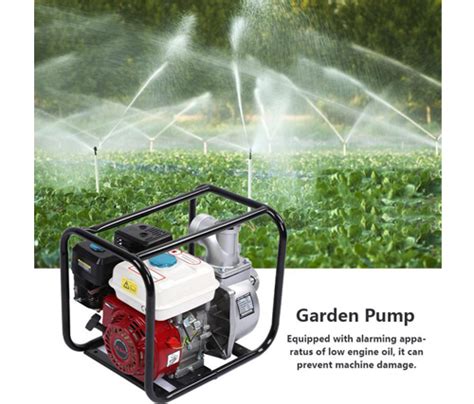
Rice Field Pumps: Ultimate Guide to Water Irrigation
Hey guys, let’s talk about something super important for anyone involved in rice farming: water pumps for sawah . You know, when it comes to cultivating rice, water isn’t just a component; it’s the lifeblood of your entire operation. Without a consistent and reliable water supply, all your hard work, your seeds, your fertilizer – it could all go to waste. That’s where pompa air untuk sawah comes into play. These incredible machines are the unsung heroes of many rice fields across the globe, ensuring that your precious crops get exactly what they need, exactly when they need it. Forget about unpredictable rainfall or struggling with manual irrigation methods; a good quality agricultural water pump can transform your rice field irrigation strategy, making it more efficient, productive, and ultimately, more profitable. We’re talking about a significant upgrade to your farming tech, one that impacts everything from seedling health to final harvest yields. So, buckle up, because in this ultimate guide, we’re going to dive deep into everything you need to know about selecting, installing, and maintaining the perfect water pump for your rice fields to boost your harvest and secure your livelihood. Trust me, understanding these tools is absolutely crucial for any serious rice farmer looking to optimize their operations and ensure a bountiful yield season after season. Let’s make sure your rice fields never go thirsty again!
Table of Contents
Why Water Pumps are Essential for Rice Fields: Boosting Your Harvest
Water pumps for rice fields
are, without exaggeration,
absolutely essential
for modern rice cultivation. Think about it: rice, unlike many other crops, thrives in flooded conditions. This constant water supply isn’t just about keeping the plants hydrated; it plays a critical role in nutrient delivery, weed suppression, and even temperature regulation within the paddy. So, the primary reason why
agricultural water pumps
are non-negotiable is their ability to provide a consistent and controlled
rice field irrigation
system. Gone are the days when farmers had to solely rely on the whims of natural rainfall or arduous manual labor to move water from distant sources. With a reliable pump, you can draw water from rivers, canals, wells, or reservoirs and deliver it directly to your
sawah
, maintaining optimal water levels throughout the entire growth cycle. This controlled environment is paramount for maximizing your yield and ensuring the quality of your harvest. Imagine the stress relief knowing that even during dry spells, your crops are well-hydrated, thanks to your dependable
pompa air untuk sawah
. It’s truly a game-changer.
Beyond simply delivering water, these pumps contribute to numerous aspects of successful rice farming. Firstly, they significantly
reduce dependency on weather patterns
. In many regions, erratic rainfall can devastate an entire harvest. By investing in a
water pump for rice fields
, you gain a powerful tool to mitigate this risk, providing a steady supply of water regardless of whether the skies cooperate. Secondly,
efficient rice field irrigation
directly translates to
higher productivity
. When rice plants receive adequate water, they grow healthier, stronger, and produce more grains. This isn’t just about survival; it’s about
thriving
. Consistent water levels help in the effective absorption of fertilizers and prevent salinity build-up in the soil, both of which are critical for robust plant development. Thirdly, the use of
agricultural water pumps
dramatically
reduces manual labor and associated costs
. Hauling water by hand or using traditional, less efficient methods is incredibly time-consuming and physically demanding. A pump automates this process, freeing up valuable time and human resources that can be redirected to other crucial farming activities like pest control or field maintenance. This also means you can irrigate larger areas more effectively with fewer people, directly impacting your farm’s bottom line. Lastly, modern
pompa air untuk sawah
solutions allow for
better water management and conservation
. With the ability to control flow rates and irrigation schedules, farmers can prevent over-watering, reduce water waste through runoff, and ensure that every drop is utilized efficiently. In an era where water resources are becoming increasingly precious, smart irrigation with a well-chosen pump is not just good for your farm; it’s good for the environment too. So, guys, if you’re serious about taking your rice cultivation to the next level, understanding and investing in the right
agricultural water pump
is absolutely fundamental. It’s the cornerstone of a productive, sustainable, and stress-free rice farming operation.
Navigating the Options: Types of Water Pumps for Your Sawah
Alright, guys, now that we’ve established
why
water pumps for rice fields
are indispensable, let’s talk about the exciting part: the different types of
pompa air untuk sawah
available on the market. Choosing the right one is like picking the perfect tool for a specific job; it needs to match your unique
rice field irrigation
needs. There’s a variety of
agricultural water pump
types, each with its own strengths and ideal applications. Understanding these differences is key to making an informed decision that will serve your
sawah
well for years to come. Let’s break them down:
First up, we have
Centrifugal Pumps
. These are probably the most common
water pumps for rice fields
you’ll encounter. They work by using a rotating impeller to create centrifugal force, which pushes water outwards and through the discharge pipe.
They’re fantastic for moving large volumes of water at relatively low pressure
, making them perfect for typical
rice field irrigation
where you need to flood large areas. Centrifugal pumps are generally robust, relatively easy to maintain, and come in various sizes and power options. You’ll often see them powered by either electric motors or diesel engines, offering flexibility depending on your power source availability. Their reliability and high flow rates make them a popular choice for many farmers, especially when drawing water from canals or shallow wells. However, they usually require priming (filling the pump casing with water) before starting, which can be a minor inconvenience.
Next, let’s consider
Submersible Pumps
. As their name suggests, these
agricultural water pumps
are designed to be fully submerged in the water source. This design offers a couple of significant advantages for
rice field irrigation
. Firstly, because they’re underwater, they don’t need priming; the water pressure pushes the liquid into the pump. Secondly, they’re often very efficient at lifting water from deeper sources, like deep wells or boreholes, without losing power due to suction lift limits. Being submerged also means they operate much quieter than surface pumps and are less susceptible to cavitation. While they might be a bit more complex to install or retrieve for maintenance, their efficiency and ability to handle deeper water sources make them an excellent option for farmers relying on underground water for their
sawah
.
Then there are
Diesel Water Pumps
. These
pompa air untuk sawah
are workhorses, incredibly powerful and typically used for larger
rice field irrigation
projects or in remote areas where electricity is scarce or unreliable. Powered by diesel engines, they offer significant pumping capacity and can run for extended periods without needing an external power grid. This independence from electricity makes them invaluable for farmers whose fields are far from power lines. While they are generally louder, require fuel, and need more frequent maintenance (like oil changes), their sheer power and autonomy make them a top choice for serious commercial rice growers. They can handle tough conditions and deliver impressive flow rates, ensuring your
sawah
gets all the water it needs, no matter where it’s located.
Conversely, we have
Electric Water Pumps
. These
water pumps for rice fields
are a fantastic option if you have consistent access to an electrical supply. They are generally quieter, produce zero emissions during operation, and require less maintenance compared to diesel pumps. Electric pumps are often more cost-effective to run in the long term, assuming electricity prices are stable. They come in various sizes, from small portable units for localized irrigation to larger, fixed installations for extensive
rice cultivation
. The main consideration here, of course, is the availability and reliability of electricity at your
sawah
. If you’re near a power grid, an electric pump can be a very clean, efficient, and user-friendly choice for your
rice field irrigation
needs.
Finally, let’s not forget
Portable Pumps
. While not a distinct type in terms of pumping mechanism (they can be centrifugal, for example), their defining characteristic is their mobility. These
agricultural water pumps
are lighter, often smaller, and designed to be easily moved from one location to another. They are perfect for farmers with multiple small plots or for situations where you need temporary
rice field irrigation
in different sections of your
sawah
. Many portable pumps are gasoline or small diesel-powered, offering the flexibility to operate them anywhere. While their pumping capacity might be lower than large fixed units, their versatility makes them incredibly useful for specific, localized
rice cultivation
tasks. So, guys, when you’re looking at
water pumps for rice fields
, think about your power source, water source, and the scale of your operation, and then match it with the best pump type that fits your unique farming environment. Making the right choice here will truly make a difference in your daily farming life!
Choosing the Right
Pompa Air untuk Sawah
: Factors to Consider
Okay, guys, so you’ve seen the different types of
water pumps for rice fields
, and now comes the critical part:
how do you choose the absolute best
pompa air untuk sawah
for your specific needs?
Trust me, this isn’t a one-size-fits-all situation. Selecting the right
agricultural water pump
is paramount for effective
rice field irrigation
and ensuring the prosperity of your
sawah
. There are several key factors you absolutely need to consider before making that investment. Let’s walk through them, ensuring you pick a pump that works as hard as you do.
Firstly, and perhaps most importantly, think about your
Water Source
. Where will your pump be drawing water from? Is it a shallow canal, a river, a deep well, or a borehole? This single factor will heavily influence the type of pump you should consider. If you’re drawing from a shallow, open source like a canal or pond, a
centrifugal pump
is often a great choice due to its high flow rate capacity. However, if your water source is a deep well, you’ll definitely need to look at
submersible pumps
, which are specifically designed to push water from significant depths. Surface pumps struggle with high suction lifts, so trying to use one for a deep well will lead to inefficiency and potential damage. Guys, understanding your water source’s characteristics – its depth, cleanliness, and distance from your
rice fields
– is step number one in this selection process.
Secondly, consider the
Size and Elevation of Your Rice Field
. This determines the
pump capacity
you’ll need, specifically its flow rate (how much water it can move per hour/minute) and its head (the vertical distance it can lift water, including pipe friction). A larger
sawah
or a field that sits at a higher elevation than your water source will require a pump with a higher flow rate and a greater total head. Don’t underestimate this! An undersized pump will struggle to adequately irrigate your entire
rice field
, leading to uneven watering and potential crop stress. On the flip side, an excessively powerful pump might be overkill, leading to higher initial costs and potentially wasted energy. Measure your field dimensions, estimate the volume of water needed, and calculate the total head (suction lift + discharge head + friction losses) to ensure your
water pump for rice fields
can handle the job efficiently. This is where a little math can save you a lot of headaches, fellas.
Third on our list is
Power Availability
. This is a fundamental decision that dictates whether you’ll opt for a
diesel water pump
or an
electric water pump
. Do you have reliable access to an electrical grid near your
sawah
? If so, an electric pump might be more environmentally friendly, quieter, and potentially cheaper to run in the long term. However, if your
rice field
is in a remote location, far from power lines, a robust
diesel water pump
becomes your best friend. Diesel pumps offer unparalleled autonomy and power, making them ideal for large-scale operations without grid access. Remember to factor in the cost and availability of fuel, as well as the initial cost of buying the pump. Sometimes, even with grid access, a diesel pump might be preferred for its raw power and reliability during potential power outages, ensuring your
rice field irrigation
never stops.
Fourth, don’t forget your
Budget
. This includes not just the initial purchase price of the
pompa air untuk sawah
but also its operating costs (fuel/electricity), maintenance, and potential repair expenses. While it might be tempting to go for the cheapest option, remember that a low upfront cost can sometimes lead to higher long-term expenses due to inefficiency, frequent breakdowns, or shorter lifespan. Investing in a durable, reliable
agricultural water pump
from a reputable brand can save you money in the long run. Consider the total cost of ownership over the pump’s expected lifespan. Sometimes, spending a little more upfront for a higher quality, more efficient
water pump for rice fields
will pay dividends through reduced running costs and fewer headaches during peak irrigation seasons. Think smart, not just cheap, guys.
Finally, consider
Durability, Material, and Portability
. Rice farming can be tough on equipment. Look for pumps made from robust, corrosion-resistant materials, especially if you’re drawing water with high sediment content or from sources that might be slightly acidic. If you need to move your
agricultural water pump
between different sections of your
sawah
or to entirely different fields, then a
portable pump
(often gasoline or small diesel-powered) is an absolute must. For fixed installations, weight and mobility are less of a concern, but durability remains key. Guys, by carefully evaluating these factors – your water source, field size, power options, budget, and durability needs – you’ll be well on your way to choosing the perfect
pompa air untuk sawah
that will keep your
rice fields
thriving for years to come. This careful planning truly makes all the difference!
Installation and Maintenance: Keeping Your
Agricultural Water Pump
Running Smoothly
Alright, guys, you’ve picked out the perfect
water pump for rice fields
for your
sawah
– awesome! But the journey doesn’t end there. Proper
installation
and
regular maintenance
are just as crucial as the selection process itself. Think of your
agricultural water pump
as the heart of your
rice field irrigation
system; if it’s not installed correctly or cared for diligently, even the best pump won’t perform optimally, leading to inefficiencies, breakdowns, and ultimately, a negative impact on your
rice cultivation
. So, let’s talk about how to get your
pompa air untuk sawah
set up right and keep it purring like a kitten, ensuring maximum
pump longevity
and
efficient irrigation
for your crops.
First up,
Installation
. This is where you lay the groundwork for your pump’s performance. For surface pumps (like centrifugal or diesel pumps), finding the right location is key. It should be as close to the water source as possible to minimize suction lift and pipe friction, which can significantly reduce efficiency. The pump needs to be placed on a
stable, level foundation
to prevent vibration and ensure proper alignment. A concrete slab or a sturdy platform works wonders. Make sure it’s protected from the elements – rain, direct sun, and debris – with a simple cover or enclosure. For
submersible pumps
, installation involves carefully lowering the pump into the water source, ensuring it’s suspended correctly and won’t touch the bottom, which could lead to ingesting sediment. Regardless of the type,
pipe connections
are paramount. Use the correct size pipes (matching the pump’s inlet/outlet) and ensure all connections are
secure and airtight
. Leaks on the suction side of a surface pump can cause it to lose prime and stop working, while leaks on the discharge side waste precious water and reduce pressure. For surface pumps,
priming
(filling the pump casing with water) before the initial start-up, and often after each long period of inactivity, is a critical step. Always follow the manufacturer’s instructions for safe and effective installation. Guys, taking the time to install your
agricultural water pump
correctly will save you countless headaches and repair bills down the line, ensuring a reliable flow for your
rice field irrigation
.
Now, let’s move on to
Maintenance
. This is an ongoing commitment, but trust me, it pays off big time in
pump longevity
and operational efficiency.
Regular checks
are your first line of defense. Before each irrigation cycle, take a few minutes to inspect your
pompa air untuk sawah
. Look for any visible leaks, loose connections, or unusual noises. If you’re using a diesel or gasoline pump, check the
fuel and oil levels
and the
coolant
(if applicable). Dirty fuel and oil can significantly reduce engine life and efficiency. Change the oil and oil filter according to the manufacturer’s schedule – this is non-negotiable for engine health. For electric pumps, ensure all electrical connections are secure and free from corrosion, and that the power supply is stable. Speaking of filters,
cleaning the intake filter or strainer
is absolutely crucial. Blocked filters restrict water flow to the pump, making it work harder, reducing efficiency, and potentially causing overheating. Depending on the sediment content of your water source, this might need to be done daily or weekly. You should also periodically
inspect the impeller
for wear or blockages. Debris can get caught in the impeller, reducing its ability to move water effectively.
Finally, think about
long-term maintenance
and
storage
. If your
water pump for rice fields
will be out of use for an extended period, especially during off-seasons,
proper winterization
(if you’re in a cold climate) or storage procedures are vital. For diesel pumps, this might involve draining fuel, stabilizing fuel, and ensuring the engine is protected from rust. For all pumps, draining any remaining water from the casing and pipes prevents freezing damage and corrosion. Store the pump in a dry, protected area. By committing to these installation best practices and a consistent maintenance schedule, you’ll ensure your
agricultural water pump
operates at peak performance, season after season, making your
rice field irrigation
system reliable and contributing directly to
optimizing rice field yield
. Don’t cut corners here, guys; a well-maintained pump is a happy, productive pump!
Maximizing Efficiency: Smart Water Management for Your Rice Field
Alright, fellas, we’ve covered choosing, installing, and maintaining your
water pump for rice fields
. Now, let’s talk about taking it to the next level:
maximizing efficiency
in your
rice field irrigation
using smart water management. It’s not just about having a great
agricultural water pump
; it’s about using it wisely. In today’s world, with increasing concerns about water scarcity and rising operational costs,
sustainable rice field irrigation
and
water pump efficiency
are more important than ever. By adopting a few clever strategies, you can significantly reduce water waste, save on energy (and thus money!), and ensure your
sawah
receives precisely what it needs to thrive.
One of the biggest game-changers in
efficient rice field irrigation
is
Timing of Irrigation
. Believe it or not,
when
you pump water can be almost as important as
how much
. Irrigating during the hottest part of the day, for instance, leads to higher evaporation rates, meaning a significant portion of your pumped water literally vanishes into thin air before it can benefit your
rice fields
. Instead, try to schedule your main irrigation cycles for
early morning or late evening
. During these cooler periods, evaporation is naturally lower, allowing more water to penetrate the soil and remain in the paddy, thus optimizing your
water pumping for sawah
efforts. This simple shift in timing can lead to substantial water and energy savings over a season. It’s a small change with a big impact, guys, and it ensures that your
pompa air untuk sawah
is working as smartly as possible.
Next, let’s talk about
Measuring Water Needs
. Many farmers tend to either over-irrigate (just to be safe) or under-irrigate, both of which are detrimental. Over-irrigation wastes water and energy, can leach nutrients, and creates anaerobic conditions that aren’t ideal for all stages of rice growth. Under-irrigation, obviously, stresses the plants and reduces yield. The key here is to
understand your crop’s actual water requirements
at different growth stages and to
monitor the water levels
in your
sawah
regularly. Simple gauges or markers in your
rice fields
can help you maintain consistent water depths. Modern techniques, like
Alternate Wetting and Drying (AWD)
, involve deliberately letting the
rice field
dry for short periods before re-irrigating. This technique, when managed correctly, can significantly reduce water consumption without impacting yield, showcasing true
sustainable rice field irrigation
. Your
water pump for rice fields
is a tool to achieve precise water levels, not just to flood the area indiscriminately.
While
rice fields
are traditionally flood-irrigated, thinking about
Water Conservation
is still crucial. Your
agricultural water pump
plays a central role here. Ensure your paddy dikes and bunds are well-maintained and free of leaks. Any cracks or breaches mean your pumped water is simply seeping away, forcing your pump to work longer and harder than necessary. Consider leveling your
rice fields
as much as possible; uneven fields lead to some areas being over-watered and others under-watered, making efficient
rice field irrigation
a nightmare. Proper
drainage systems
are also important, not just for removing excess water but also for potentially collecting and reusing it where feasible. In some systems, water can be recycled, further reducing the load on your
pompa air untuk sawah
and conserving this precious resource. Every drop counts, guys, especially when you’re expending energy to move it.
Finally, always be Monitoring Pump Performance . Your water pump for rice fields isn’t a
