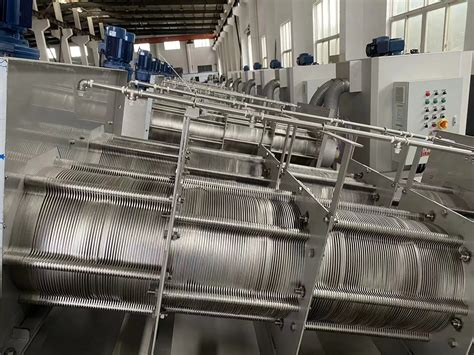
Screw Press Mechanism: Your Guide to Industrial Separation\n\nHey guys, ever wondered about the powerful, often unsung hero behind so many industrial processes, especially when it comes to separating solids from liquids or compacting materials? We’re talking about the
screw press mechanism
! This incredible piece of engineering is absolutely crucial across a myriad of industries, from producing your favorite fruit juices to managing industrial waste efficiently. If you’ve ever seen a machine effortlessly squeeze every last bit of liquid out of something, or compress a pile of material into a compact block, chances are you’ve witnessed a screw press in action. It’s a fundamental technology that relies on a simple yet effective principle: applying continuous pressure through a rotating screw to achieve remarkable separation or compaction. \n\nUnderstanding the
screw press mechanism
isn’t just for engineers; it’s for anyone curious about how modern industry operates with such precision and efficiency. We’re going to dive deep into what makes these machines tick, exploring their core components, how they work their magic, and the vast array of applications where they shine. Think about it: without efficient ways to separate, dewater, or compact, many manufacturing processes would be incredibly slow, wasteful, and costly. The screw press mechanism steps in to solve these challenges, offering a robust, continuous, and often energy-efficient solution. It’s truly a workhorse, designed for heavy-duty tasks and delivering consistent results day in and day out. So, buckle up, because by the end of this guide, you’ll have a solid grasp of why the
screw press
is such an indispensable tool in our industrial landscape, and you’ll appreciate its clever design and functionality. We’re going to make sure you get all the juicy details, so you can walk away feeling like an expert on this fascinating piece of machinery. Let’s explore the power and versatility of this amazing technology together!\n\n## How Does a Screw Press Mechanism Work?\n\nAlright, let’s get down to the nitty-gritty:
how does a screw press mechanism actually work
? At its core, the operation is elegantly simple, relying on mechanical force to achieve solid-liquid separation or material compaction. Imagine a giant screw rotating inside a cylindrical casing, often called a barrel or screen. As the screw turns, it continuously moves material through the barrel. The magic happens because the volume available for the material steadily decreases along the length of the screw, either due to a tapering shaft, a reducing pitch of the screw flights, or a combination of both. This reduction in volume creates intense, continuous pressure on the material. If it’s a slurry or wet material, this pressure forces the liquid out through small perforations or screen openings in the barrel, leaving the solids behind. For dry materials, this pressure compacts them into a denser form. \n\nThis continuous, high-pressure squeezing action is what makes the
screw press mechanism
so effective for
dewatering
and
compaction
. The material, whether it’s fruit pulp, municipal sludge, or plastic waste, enters one end of the press. The rotating screw then grabs this material and pushes it forward. As the material travels, it encounters ever-increasing resistance and pressure. The liquid phase, being less resistant, is expelled through the screen, while the compressed solid material is discharged from the other end of the press. It’s a beautifully choreographed dance of pressure, rotation, and filtration, all happening simultaneously to deliver a distinct separation of phases. Many screw presses also include a choke or resistance mechanism at the discharge end, which can be adjusted to control the amount of pressure and thus the dryness of the final solid product. This adjustability is a key feature, allowing operators to fine-tune the process for different materials and desired outcomes. Understanding these fundamental principles helps us appreciate the ingenuity behind these machines, making complex industrial tasks seem effortlessly managed by a robust and reliable design. \n\n### Key Components of a Screw Press\n\nTo truly grasp the workings of a
screw press mechanism
, we need to break down its essential components. Each part plays a critical role in the overall efficiency and effectiveness of the machine. First up, we have the
screw
itself, which is arguably the heart of the press. This isn’t just any screw; it’s specifically designed with varying pitch, diameter, and often a tapered shaft to ensure optimal compression. The screw is typically made from robust, wear-resistant materials like stainless steel or specialized alloys, especially when dealing with abrasive or corrosive substances. Its continuous rotation is what drives the material forward and generates the necessary pressure. Next, there’s the
barrel or screen cage
. This stationary cylindrical housing surrounds the screw and features perforations, slots, or a wedge-wire design. This is where the liquid escapes, acting as the filtration medium. The design of this screen is critical; the opening size determines the clarity of the separated liquid and the retention of fine solids. \n\nAnother vital component is the
drive system
, which powers the rotating screw. This typically consists of an electric motor coupled with a gearbox to provide the necessary torque and control the screw’s rotational speed. Variable speed drives are common, allowing operators to adjust the processing rate based on the material’s characteristics and desired output. Then we have the
inlet hopper
, where the raw material is fed into the screw press, and the
discharge chute
for the separated solids, often called
cake
. Many systems also include a
liquid collection pan or trough
underneath the screen cage to gather the expelled liquid, known as the
filtrate
or
pressate
. Some advanced screw presses might also feature internal mixing paddles, pre-thickening zones, or adjustable choke mechanisms at the discharge end to fine-tune pressure and cake dryness. Each component is meticulously engineered to work in harmony, making the entire
screw press mechanism
a highly efficient and reliable system for
solid-liquid separation
and
material compaction
. Without any one of these elements, the screw press simply wouldn’t be able to perform its essential functions in industrial settings.\n\n### The Pressing Process Explained\n\nLet’s walk through the
pressing process
in a
screw press mechanism
step-by-step, so you guys can really visualize the journey of the material. It all kicks off when the raw material, whether it’s a slurry, wet pulp, or loose waste, is fed into the
inlet hopper
. From there, it drops into the initial section of the screw press. This part often has a wider pitch or diameter, allowing the material to easily enter and begin its journey without immediately experiencing high pressure. Think of it as the ‘on-ramp’ for the material. As the continuous
screw
starts to rotate, it gently, but firmly, grabs the material and pushes it along the length of the
barrel
. \n\nNow, here’s where the magic of
mechanical pressing
really begins. As the material moves further down the barrel, the design of the screw or the barrel itself changes. This typically involves a decreasing pitch of the screw flights, a tapering screw shaft that gradually increases in diameter, or a narrowing of the barrel itself. All these design choices lead to one crucial outcome: the volume available for the material inside the barrel steadily
reduces
. This reduction in volume directly translates into a significant increase in pressure exerted on the material. Imagine trying to push a large amount of stuff into a smaller and smaller space – that’s exactly what’s happening! As this intense pressure builds up, the liquid component within the material is squeezed out. It passes through the fine perforations or screen openings of the
screen cage
and is collected separately. The solid component, being unable to pass through these openings, continues its journey, becoming progressively drier and more compacted. Finally, the now significantly dewatered or compacted solid material, often referred to as the ‘cake,’ is discharged from the end of the press, usually through an adjustable choke or outlet, while the liquid, or ‘filtrate,’ is collected separately. This continuous, energy-efficient operation is why the
screw press mechanism
is so valued for consistent
dewatering
and
compaction
across various industries.\n\n## Applications of Screw Press Mechanisms\n\nThe
screw press mechanism
is an absolute powerhouse, and its versatility means you’ll find it hard at work in an astonishing array of industries, tackling everything from
waste reduction
to producing your morning orange juice. Seriously, guys, this technology is everywhere once you start looking! Its ability to efficiently separate solids from liquids or compact loose materials makes it indispensable across various sectors. For instance, in the
food and beverage industry
, screw presses are crucial for extracting juices from fruits and vegetables, pressing oil from seeds, and processing by-products. In
municipal and industrial waste management
, they are vital for dewatering sludge, compacting refuse, and preparing materials for recycling. \n\nThink about how many products or processes require getting rid of excess liquid or making something smaller and denser. That’s where the screw press steps in. Its robust design and continuous operation make it ideal for high-throughput applications, handling large volumes of material with consistent results. From small-scale operations to massive industrial plants, the principles remain the same, adapted to specific needs. The beauty of the
screw press mechanism
lies in its reliability and relatively low operational costs compared to some other separation technologies. It’s truly a workhorse, performing essential tasks that directly impact product quality, waste management efficiency, and even resource recovery. \n\n### Food and Beverage Industry\n\nWhen you think about the
food and beverage industry
, the
screw press mechanism
plays a surprisingly vital role, especially in delivering fresh, quality products to your table. One of its most famous applications here is undoubtedly
juice extraction
. Whether it’s the crisp apple juice you enjoy, the vibrant carrot juice, or the refreshing citrus blends, screw presses are often the unsung heroes behind that liquid gold. They efficiently squeeze the juice out of fruits and vegetables, leaving behind a relatively dry pulp. This method is preferred by many producers because it’s a continuous process, offers high yield, and the gentle pressing action can help preserve the flavor and nutritional value of the juice. Beyond just juice, these presses are also critical for
oil pressing
from seeds like sunflower, rapeseed, or olives, yielding edible oils and valuable protein-rich press cakes. \n\nBut the applications don’t stop there, guys! Imagine processing spent grains from breweries – a screw press can effectively dewater these by-products, reducing their volume for disposal or preparing them as animal feed, turning waste into a resource. In dairy processing, they can be used for dewatering cheese curds or separating whey. For canning operations, they might process fruit or vegetable waste to recover liquids or reduce solid waste volume. The efficiency of the
screw press mechanism
in
solid-liquid separation
ensures that valuable liquids are recovered, and solid by-products are handled effectively, contributing to sustainable practices and economic viability within the food and beverage sector. It’s a testament to its design that it can handle such a diverse range of organic materials while maintaining hygiene and efficiency, making it an indispensable piece of equipment for many food producers globally.\n\n### Waste Management and Recycling\n\nIn the world of
waste management and recycling
, the
screw press mechanism
is nothing short of a game-changer, tackling some of the toughest challenges related to
dewatering
and
compaction
. Guys, think about municipal wastewater treatment plants – they generate huge volumes of sludge, which is essentially a mix of water and solid organic matter. Hauling this wet, heavy sludge is incredibly expensive and environmentally impactful. This is where the screw press swoops in! It effectively
dewatering
this sludge, reducing its volume by as much as 80-90%. This means significantly lower transportation and disposal costs, and often, the resulting drier cake is easier to handle or further process, like for composting or energy recovery. \n\nBeyond municipal sludge, these presses are invaluable in industrial waste streams. For instance, in the paper and pulp industry, they dewater pulp waste. In the metal finishing industry, they separate liquids from metal hydroxide sludges. Even in plastics recycling, a screw press can be used to compact shredded plastic, making it denser for easier transport or further processing. It’s also fantastic for dewatering food waste before composting, reducing odors and speeding up the decomposition process. The core benefit here is
waste reduction
. By removing water or compacting material, the
screw press mechanism
dramatically cuts down the volume and weight of waste, leading to substantial savings in logistics and disposal fees. It also facilitates resource recovery, turning what would otherwise be a costly waste into a potentially valuable by-product. Its continuous, enclosed operation also minimizes odor and mess, which is a huge plus in waste handling facilities. This makes it an environmentally friendly and economically smart choice for managing various waste streams effectively.\n\n### Chemical and Pharmaceutical Production\n\nLet’s pivot to the precision-driven worlds of
chemical and pharmaceutical production
, where the
screw press mechanism
also finds critical applications, albeit with stricter requirements for material purity and hygiene. Here, the focus is often on separating valuable solid products from liquid carriers or dewatering specific sludges generated during manufacturing processes. For example, in chemical synthesis, after a reaction, a solid precipitate might need to be isolated from a solvent. A screw press can efficiently perform this
solid-liquid separation
, yielding a concentrated solid product and a relatively clear filtrate that might be recycled or further processed. The controlled compression offered by the screw press ensures consistent product quality and minimizes the loss of valuable materials. \n\nIn the pharmaceutical industry, the demands for cleanliness and material integrity are paramount. While typically used for less sensitive separation steps or waste treatment within pharma, like dewatering activated carbon slurries used for purification or processing specific process intermediates, high-grade stainless steel and sanitary designs are essential for any screw press used in these environments. They are also employed for reducing the volume of spent filter aids or other process by-products, ensuring efficient waste handling and regulatory compliance. The ability of the
screw press mechanism
to operate continuously and handle a variety of viscosities and solid concentrations makes it a reliable choice for these industries, where consistent output and efficient material recovery are key. While less common for direct final product purification due to the high purity needs, its role in intermediate processing, waste minimization, and resource recovery is undeniably significant, contributing to leaner, more sustainable, and cost-effective operations in these critical sectors.\n\n### Manufacturing and Metalworking\n\nBelieve it or not, the
screw press mechanism
also flexes its muscles in
manufacturing and metalworking
, performing tasks that are essential for operational efficiency and material handling. While you might not see them squeezing juice, they are crucial for
material compaction
and
fluid recovery
. Guys, think about metal chips and swarf generated during machining operations like milling, turning, or drilling. These chips are often soaked in cutting fluids, coolants, or lubricants. Not only are these fluids expensive, but the wet chips are messy, heavy, and difficult to dispose of. A screw press can effectively
press
these metal chips, extracting a significant amount of the valuable cutting fluid. This recovered fluid can then be filtered and reused, leading to substantial cost savings and a reduction in fluid consumption. \n\nFurthermore, the pressed chips become much drier, denser, and more manageable. This
compaction
reduces their volume, making them easier and cheaper to transport for recycling. Denser chips also command a better price from recyclers. Beyond metal chips, screw presses can be used for compacting various manufacturing by-products, such as plastic waste, textile scraps, or even wood shavings, making them easier to handle and dispose of or preparing them for further processing. In some specialized applications, they can even be used for forming or densifying certain powdered materials. The robust construction of the
screw press mechanism
makes it perfectly suited for the harsh environments often found in manufacturing and metalworking facilities, proving its adaptability beyond traditional
dewatering
applications and highlighting its value in optimizing material flow and resource management within these industries. It’s a true workhorse, helping businesses reclaim valuable resources and streamline their waste processes.\n\n## Advantages of Using Screw Press Mechanisms\n\nAlright, let’s talk about why the
screw press mechanism
is such a popular choice and why so many industries swear by it. It’s not just a fancy piece of equipment; it offers a whole host of tangible benefits that translate directly into operational efficiencies and cost savings, which, let’s be honest, is what every business is after. One of the biggest wins is its
continuous operation
. Unlike batch processes that need to be stopped, emptied, and refilled, a screw press can run non-stop, handling a steady stream of material. This means higher throughput and less downtime, which is a huge plus for productivity. Plus, because it’s an enclosed system, it often results in a cleaner, less odorous environment, which is a big deal in places like wastewater treatment plants or food processing facilities. \n\nAnother major advantage is its
simplicity and robustness
. There are fewer moving parts compared to some other dewatering technologies, which generally means less maintenance and a longer operational lifespan. The powerful, yet gentle, compression allows for excellent
solid-liquid separation
or
material compaction
without excessive wear on the machine itself. Furthermore, screw presses are often more energy-efficient for certain applications, consuming less power per ton of material processed compared to alternatives. Their ability to handle a wide variety of materials, from viscous sludges to fibrous pulps, without extensive pre-treatment is also a massive benefit, adding to their versatility. When you factor in the reduced waste volume and potential for resource recovery, the economic and environmental advantages of incorporating a
screw press mechanism
into your operations really start to add up. It’s a reliable, efficient, and often environmentally superior choice for many industrial challenges. \n\n### Efficiency and Cost-Effectiveness\n\nWhen we talk about the
efficiency and cost-effectiveness
of the
screw press mechanism
, we’re hitting on two of its most compelling advantages for any industrial operation. First off, let’s consider its operational efficiency. Unlike many other dewatering or compaction technologies, screw presses are designed for
continuous operation
. This means you can feed material into them constantly without stopping for batch cycles. This continuous flow translates directly into higher throughput and maximized productivity, reducing bottlenecks in your process line. Imagine a consistent stream of separated solids and liquids, day in and day out, without interruption – that’s the power of the screw press. This consistency is not just about speed; it’s about predictable output, which is invaluable for planning and resource allocation. \n\nBeyond just throughput, the
screw press mechanism
is also remarkably
energy-efficient
for its task. The principle of gradual, continuous compression often requires less energy per ton of material processed compared to methods that use high-speed centrifuges or vacuum filters. This reduction in power consumption directly impacts your operating expenses, leading to lower utility bills over the long run. Furthermore, the robust and relatively simple design of screw presses contributes to their cost-effectiveness. Fewer complex moving parts often mean lower
maintenance costs
and extended periods between servicing. The ability to achieve a high degree of
dewatering
or
compaction
also dramatically reduces the volume and weight of solid waste, leading to significant savings in transportation and disposal fees. In many cases, it also facilitates
resource recovery
, turning what would otherwise be a costly waste stream into a valuable by-product, generating new revenue streams. All these factors combined make the
screw press mechanism
a highly attractive and economically sound investment for achieving efficient
solid-liquid separation
and
waste reduction
in numerous industrial settings.\n\n### Versatility and Adaptability\n\nOne of the standout qualities of the
screw press mechanism
that truly makes it an industrial workhorse is its incredible
versatility and adaptability
. Guys, this isn’t a one-trick pony; it’s a flexible solution capable of handling a surprisingly broad range of materials and applications. Whether you’re dealing with thin, watery slurries, thick, viscous sludges, or fibrous pulps, a screw press can often be configured to handle it effectively. This adaptability comes from several design variables that can be adjusted: the speed of the screw, the pitch of its flights, the taper of the shaft, and the design of the screen cage (e.g., pore size, wedge wire vs. perforated). These configurable elements allow engineers to tailor the press to specific material characteristics and desired outcomes, making it suitable for a diverse set of industrial challenges. \n\nThink about it: from delicate organic materials like fruit pulp in the food industry to abrasive industrial sludges in wastewater treatment, the same fundamental
screw press mechanism
can be adapted. This means less need for highly specialized equipment for each different material stream, simplifying plant operations and potentially reducing capital investment. It can effectively separate liquids from solids, compact dry materials, or even perform pre-thickening before other processing steps. Its robust construction means it can operate reliably in harsh environments, handling materials with varying solid concentrations, particle sizes, and pH levels. This
adaptability
also extends to its size, with models ranging from compact units for small-scale operations to massive industrial machines capable of processing tons of material per hour. This wide range of capabilities underscores why the
screw press mechanism
remains an indispensable tool across so many different sectors, offering a reliable and customizable solution for
solid-liquid separation
,
dewatering
, and
material compaction
needs.\n\n### Environmental Benefits\n\nBeyond the operational and economic advantages, the
screw press mechanism
delivers some really significant
environmental benefits
, making it a smart choice for companies committed to sustainability. Guys, one of the biggest environmental wins comes from its ability to achieve exceptional
dewatering
. By removing a high percentage of water from sludges and other wet wastes, the screw press dramatically reduces the volume and weight of material that needs to be transported and disposed of. This directly translates into fewer truckloads on the road, which means less fuel consumption, lower greenhouse gas emissions, and reduced traffic congestion. It’s a win-win for both the company’s bottom line and the planet. \n\nFurthermore, the reduced volume of waste often makes it easier and more feasible to explore alternative disposal methods that are more environmentally friendly than traditional landfilling. For instance, drier sludge cake from a municipal wastewater treatment plant might be suitable for composting, land application as a soil amendment, or even used as a fuel source in waste-to-energy facilities. This moves waste up the hierarchy, from disposal to recovery or reuse, which is a core principle of a circular economy. In industries like food processing, the
screw press mechanism
facilitates
resource recovery
, helping to reclaim valuable liquids (like juices or oils) and converting solid by-products (like fruit pulp or spent grains) into animal feed or other valuable commodities, minimizing waste and maximizing resource utilization. The ability to recycle process water also reduces overall fresh water consumption. By embracing the efficiency of the
screw press
, businesses can significantly shrink their environmental footprint, reduce reliance on landfills, and contribute to a more sustainable industrial future, proving that efficient engineering can go hand-in-hand with ecological responsibility.\n\n## Maintenance Tips for Your Screw Press\n\nOwning and operating a
screw press mechanism
is fantastic, but like any piece of industrial machinery, it needs a little love and care to keep it running smoothly and efficiently for years to come. Skipping regular maintenance isn’t just a shortcut; it’s a fast track to downtime, costly repairs, and reduced performance, which nobody wants! Proper maintenance is key to maximizing the lifespan of your investment and ensuring it continues to provide optimal
solid-liquid separation
or
material compaction
. Think of it like taking care of your car – routine checks prevent major breakdowns. Regularly scheduled maintenance also helps maintain the efficiency of the press, ensuring it consistently produces the desired dryness or compaction levels. Ignoring small issues can quickly escalate into bigger, more expensive problems, so a proactive approach is always best. \n\nIt’s not just about fixing things when they break; it’s about preventative care that keeps everything in top shape. Training your operators on proper cleaning and inspection procedures is just as important as having a good maintenance schedule. They’re on the front lines and can spot potential issues early. Always refer to your manufacturer’s specific guidelines, as each model of
screw press mechanism
might have unique requirements, but there are some universal best practices that apply across the board. By following these simple but crucial tips, you’ll ensure your screw press remains a reliable and efficient workhorse in your operations, delivering consistent results and saving you headaches and money in the long run. Let’s dive into some practical advice to keep your screw press humming!\n\n### Regular Cleaning and Inspection\n\nWhen it comes to keeping your
screw press mechanism
in peak condition,
regular cleaning and inspection
are absolutely non-negotiable, guys. This isn’t just about making it look pretty; it’s crucial for preventing buildup, corrosion, and wear that can severely impact performance and lifespan. After each shift or processing run, a thorough cleaning of the
screen cage
and the visible parts of the
screw
is essential. Depending on the material being processed, residues can accumulate on the screen, reducing its effective filtration area and leading to less efficient
dewatering
. If left unchecked, this buildup can harden, becoming much more difficult to remove and potentially damaging the screen over time. \n\nDuring cleaning, always inspect for any signs of wear and tear. Look closely at the screen: are there any blocked holes, tears, or signs of deformation? Check the screw flights for thinning, pitting, or cracks, especially at the edges where they experience the most abrasion. Pay attention to seals and gaskets; any leaks indicate they need replacement to prevent material loss and ensure proper pressure. Also, keep an eye out for unusual noises or vibrations during operation, which can be early indicators of mechanical issues. A quick visual check of the entire unit for loose bolts, damaged wiring, or corrosion should be part of this routine. Documenting these inspections and cleanings, including any issues found and actions taken, creates a valuable maintenance log. This meticulous approach to
regular cleaning and inspection
ensures your
screw press mechanism
continues to operate efficiently, minimizes downtime, and saves you from costly, unexpected repairs down the line, safeguarding your investment in
solid-liquid separation
technology.\n\n### Lubrication is Key\n\nNever underestimate the power of proper
lubrication
for your
screw press mechanism
– it is absolutely
key
to its smooth, long-term operation, guys. Just like your car’s engine needs oil, the moving parts of your screw press rely on consistent and correct lubrication to minimize friction, reduce wear, and prevent overheating. The main areas that typically require lubrication are the
bearings
that support the screw shaft and the
gearbox
that drives the screw. These components are under constant stress and carry significant loads, so they need the right type and amount of lubricant to function correctly. \n\nAlways consult your manufacturer’s manual for the specific type of grease or oil recommended for your model. Using the wrong lubricant, or an insufficient amount, can lead to premature bearing failure, excessive heat generation, and increased energy consumption as the machine works harder to overcome friction. Establish a regular lubrication schedule, which might be daily, weekly, or monthly, depending on the press’s operating hours and the severity of its application. For bearings, use a grease gun to apply lubricant until a slight resistance is felt or until old grease is purged. For gearboxes, check the oil level regularly and top up or replace according to the manufacturer’s recommendations. Look for signs of grease leakage or discolored oil, which could indicate a seal failure or overheating. By adhering to a strict
lubrication schedule
and using the correct products, you dramatically extend the life of your
screw press mechanism
, prevent costly breakdowns, and ensure it continues to operate at peak efficiency, silently contributing to your
solid-liquid separation
and
material compaction
processes without a hitch. Don’t skip this vital step; your machine will thank you!\n\n### Addressing Wear and Tear\n\nEven with the best cleaning and lubrication,
wear and tear
are an inevitable part of operating any industrial machinery, and your
screw press mechanism
is no exception. Proactively
addressing wear and tear
is crucial for maintaining performance and avoiding sudden, catastrophic failures. The areas most susceptible to wear are typically the
screw flights
and the
screen cage
, as they are in direct contact with the abrasive material being processed. Over time, the edges of the screw flights can thin or become rounded, reducing their efficiency in pushing and compressing material. The screen cage’s perforations can widen or become damaged, allowing more solids to pass into the liquid stream, compromising separation efficiency. \n\nRegular inspection (as discussed earlier) will help you identify these issues early. Once significant wear is detected on the screw flights, options include hard-facing or welding new material onto the worn areas to restore their original profile. In some cases, if the wear is extensive, the screw may need to be replaced entirely. For the screen cage, damaged sections might be replaceable, or the entire screen may need renewal to maintain optimal filtration. Bearings, seals, and other mechanical components also experience wear. Bearing noise or excessive vibration indicates a need for replacement. Leaking seals mean it’s time for new ones to prevent lubricant loss and contamination. Keep a stock of common wear parts on hand if possible, to minimize downtime during replacements. By actively monitoring and
addressing wear and tear
promptly, you not only extend the operational life of your
screw press mechanism
but also ensure it consistently performs its
dewatering
or
compaction
tasks at the highest possible efficiency, keeping your operations running smoothly and predictably, which is what we all want, right? Ignoring these signs is a recipe for trouble, so be proactive!\n\n## The Future of Screw Press Technology\n\nLooking ahead, the
screw press mechanism
is far from a stagnant technology; it’s continuously evolving, driven by demands for even greater efficiency, smart integration, and enhanced environmental performance. Guys, we’re seeing exciting developments that are pushing the boundaries of what these workhorses can do. One major trend is towards
smarter, more automated systems
. Modern screw presses are being integrated with advanced sensors and control systems that can monitor parameters like torque, pressure, and cake dryness in real-time. This allows for automated adjustments to screw speed or choke settings, optimizing performance for varying material inputs without constant manual intervention. \n\nAnother area of innovation focuses on
material science
. Manufacturers are developing screws and screen cages made from even more durable, corrosion-resistant, and abrasion-resistant materials, extending the lifespan of components and reducing maintenance frequency. There’s also a push for
energy optimization
, with designs that minimize power consumption while maximizing dewatering efficiency. Furthermore, as industries increasingly focus on resource recovery and circular economy principles, the
screw press mechanism
will play an even more crucial role in processing difficult-to-separate waste streams, turning them into valuable resources. Expect to see screw presses integrated into more complex, multi-stage separation systems, becoming key components in highly efficient and sustainable processing plants. The future looks bright for this robust and adaptable technology, continuing to provide essential
solid-liquid separation
solutions for a greener, more efficient industrial world.\n\n## Conclusion\n\nSo there you have it, guys – a deep dive into the fascinating world of the
screw press mechanism
! We’ve journeyed through its core functionality, explored the intricate dance of its components, and uncovered the vast array of industries where this robust machine makes a real difference. From squeezing every last drop of juice in the food industry to drastically reducing waste volume in environmental management, the screw press proves itself to be an indispensable tool for
solid-liquid separation
and
material compaction
. Its ability to operate continuously, efficiently, and with remarkable versatility truly sets it apart. \n\nWe’ve seen how its simple yet ingenious design translates into significant
cost savings
,
environmental benefits
, and
operational efficiencies
for businesses across the globe. By understanding its working principles and committing to regular maintenance, you ensure these workhorses continue to deliver consistent, high-quality results for years to come. The
screw press mechanism
is more than just a piece of equipment; it’s a testament to effective mechanical engineering, silently driving progress and sustainability in countless industrial applications. As industries evolve and the need for efficient resource management grows, the screw press will undoubtedly continue to be a cornerstone technology, adapting and innovating to meet future challenges. It’s a truly amazing piece of kit, wouldn’t you agree?
