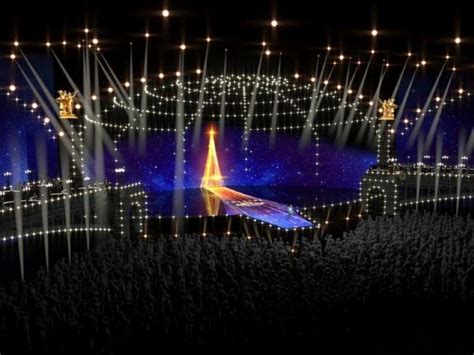
Unveiling the Iconic Eurovision 2021 Stage Design Hey there, music lovers and design aficionados! Let’s chat about something truly spectacular that captured the world’s attention: the
Eurovision 2021 stage
. After a heartbreaking cancellation in 2020, the anticipation for Eurovision 2021 in Rotterdam was through the roof, and
boy
did the stage deliver! It wasn’t just a platform for performers; it was a character in itself, a breathtaking fusion of cutting-edge technology and brilliant design that transformed the Rotterdam Ahoy arena into a dazzling spectacle. The team behind this
architectural marvel
really pulled out all the stops, ensuring that every angle, every light, and every LED pixel contributed to an unforgettable visual feast. From its innovative use of space to the incredible digital backdrops, the 2021 stage set a new benchmark for live event production, proving that even after a pandemic, creativity and ingenuity can shine brighter than ever. We’re going to dive deep into what made this stage so iconic, exploring its design philosophy, the tech wizardry involved, and the sheer
magic
it brought to millions of screens worldwide. Get ready to appreciate the artistry and engineering that made Eurovision 2021 truly special! # The Vision Behind the Eurovision 2021 Stage: A Dutch Masterpiece When we talk about the
Eurovision 2021 stage
, we’re really talking about a grand vision brought to life by some incredibly talented folks. The design concept for this particular
Eurovision stage
was rooted deeply in Dutch culture and its historical connection to the sea, reflecting the Netherlands’ role as a gateway to the world. Imagine a design that symbolizes bridges, connections, and the dynamic flow of water – that’s precisely what the creative minds aimed for! The main designer, Florian Wieder, a name synonymous with many past Eurovision stages, once again took the helm, collaborating closely with local Dutch talent to ensure the stage resonated with the host city, Rotterdam. Their goal wasn’t just to build a stage, but to create an
experience
, a three-dimensional canvas that could adapt to twenty-six diverse performances in the grand final alone, not to mention the semi-finals. They envisioned a stage that was both grand and intimate, capable of supporting elaborate choreography while also allowing individual artists to shine. The design had to be versatile, forward-thinking, and, given the circumstances of the pandemic, inherently flexible. They planned for various scenarios, including the possibility of limited audience or crew, demonstrating an incredible foresight and adaptability. This focus on
fluidity and adaptability
was paramount, shaping every decision from the layout of the screens to the interactive elements that captivated audiences globally. The overarching theme of “Open Up” was not just a slogan for the contest, but a guiding principle for the stage design itself, inviting viewers and performers alike to connect and share. This stage wasn’t just about what you saw; it was about what you
felt
– a celebration of resilience, unity, and the enduring power of music, meticulously crafted to represent the very best of Dutch innovation and hospitality, ready to welcome Europe and beyond back to the grandest music show on Earth after a year of silence. It was truly a testament to what thoughtful, conceptual design can achieve. # A Deep Dive into the Stage’s Innovative Features and Technical Brilliance Alright, guys, let’s get into the nitty-gritty of what made the
Eurovision 2021 stage
a technological marvel. This wasn’t just a pretty face; it was packed with mind-blowing innovations that pushed the boundaries of live production. At its heart was an
enormous LED wall
that curved around the main stage, creating an immersive backdrop that could display anything from abstract art to realistic landscapes. This wasn’t a static screen; it was a dynamic element that worked in tandem with the performances, changing colors, textures, and even shapes virtually. The primary stage itself featured a distinctive “catwalk” design, a long, elegant ramp that extended into the audience area, allowing artists to get closer to the fans (or where fans would have been!). This bridge-like structure was incredibly significant, echoing the Dutch theme of connection and bridging divides. Complementing the main LED wall were
hundreds of intelligent lighting fixtures
that could be programmed to create intricate light shows, dazzling patterns, and stunning spotlights, enhancing every beat and crescendo. We’re talking about lights that could move, change colors instantly, and create incredible atmospheric effects. Imagine the sheer computational power and meticulous programming required to synchronize all these elements seamlessly for each individual song – it’s truly astounding! Beyond the visible spectacle, the stage also incorporated
clever structural elements
that allowed for quick set changes and transitions between acts, a crucial aspect for a show with so many diverse performances. There were hidden platforms, trapdoors, and even a smaller B-stage integrated into the design, offering additional performance areas and unique camera angles. One of the most talked-about elements was the
reflective floor
, which added another dimension to the visuals, mirroring the lights and LED content to create a sense of depth and grandeur. This simple yet effective feature amplified the visual impact immensely, guys, making the stage feel even larger and more dynamic. The production team also made extensive use of
augmented reality (AR)
during the broadcast, overlaying virtual graphics onto the physical stage, especially during interval acts and voting sequences. This wasn’t part of the physical stage, but it was an extension of the visual storytelling, pushing the boundaries of what a TV audience could experience. Every single piece of equipment, from the sound systems ensuring pristine audio quality to the intricate rigging supporting all the massive lighting structures, was chosen and implemented with meticulous precision. The technical execution was flawless, demonstrating the incredible talent and dedication of hundreds of technicians, engineers, and creatives working tirelessly behind the scenes. This fusion of cutting-edge tech and thoughtful design solidified the
Eurovision 2021 stage
as a benchmark for future live events, showcasing just how powerful and transformative a truly innovative stage can be. It wasn’t just a set; it was a living, breathing part of the show, adapting and transforming with every note and every performance. # The Impact and Legacy of the Eurovision 2021 Stage on Performances and Viewers The
Eurovision 2021 stage
didn’t just look good; it profoundly impacted how performances were conceived and received, leaving a lasting legacy on both artists and audiences worldwide. For the performers, this magnificent
Eurovision stage
offered an unparalleled playground. The expansive main stage, combined with the lengthy catwalk and a smaller satellite stage, provided multiple zones for artists to explore, allowing for dynamic camera movements and diverse staging options that kept things fresh and exciting. Imagine being a performer and having such a versatile canvas to express your art – it really empowered them to tell their stories visually. Many delegations took full advantage of the huge LED screens, integrating bespoke graphic content that perfectly complemented their songs, creating truly immersive experiences. Whether it was the raw, emotional power of Italy’s Måneskin rocking out amidst fiery visuals or the serene, ethereal backdrop for Switzerland’s Gjon’s Tears, the stage amplified every artistic choice. The use of reflective surfaces on the floor added another layer of visual depth, making even simple light patterns appear incredibly intricate and grand. This meant that the stage wasn’t just a backdrop; it was an integral part of each performance’s narrative, elevating the emotional connection with the audience. For us, the viewers at home, the impact was equally immense. The seamless integration of the stage’s physical elements with advanced lighting and the broadcast’s stunning camera work created a cohesive visual narrative that pulled us right into the heart of the action. The stage felt alive, constantly transforming and adapting, preventing any sense of visual monotony throughout the multi-hour shows. The
crispness of the LED displays
and the
precision of the light shows
translated beautifully onto television screens, ensuring that even without being physically present in the Rotterdam Ahoy, we felt every bit of the spectacle. This wasn’t just about big visuals, folks; it was about creating
atmosphere
, about enhancing the storytelling of each song. The stage designers truly understood the importance of the TV spectacle for Eurovision, designing every element to maximize its impact on screen. It set a new standard for how television audiences perceive and engage with live music events, influencing future designs and production techniques. The legacy of the
Eurovision 2021 stage
is that it proved that despite unprecedented global challenges, the power of innovative design and collaborative spirit can still deliver an unforgettable experience, reaffirming Eurovision’s place as the pinnacle of live television entertainment and a consistent pioneer in stage design. It showed that even when the world felt closed off, art could still “Open Up” and connect millions. # Behind the Scenes: The Masterminds and the Magic of Construction You know, guys, what we see on screen – the glitz, the glamour, the flawless transitions – is just the tip of the iceberg. The real magic of the
Eurovision 2021 stage
lies in the sheer dedication and collaborative spirit of the hundreds of people working tirelessly behind the scenes. The initial vision, as we discussed, came from the brilliant mind of
Florian Wieder
, a legendary stage designer who has crafted many iconic Eurovision sets. But his vision couldn’t have become a reality without an army of engineers, technicians, carpenters, lighting specialists, video content creators, and riggers. The construction process for a stage of this magnitude is a logistical masterpiece, folks. Planning for the
Rotterdam Ahoy stage
began years in advance, long before anyone anticipated a global pandemic. The team had to contend with the unique challenges of 2020 and 2021, including strict health protocols, travel restrictions, and supply chain disruptions. Imagine trying to coordinate the delivery of hundreds of tons of steel, thousands of LED panels, and miles of cabling from all over Europe, all while ensuring everyone involved was safe! The construction itself took weeks, with crews working around the clock to assemble the intricate structure. Every single piece had to be precisely measured, cut, and installed. The main stage, the extended catwalk, the satellite B-stage, and the enormous curved LED screen were all custom-built. The
lighting grid alone
was a complex web of trusses, motors, and fixtures, each one carefully positioned and tested. We’re talking about a scale that’s hard to grasp – a temporary structure that could rival permanent concert venues in its complexity and technical capability. The video content for the massive LED screens also required an incredible amount of creative input and technical expertise. A dedicated team of graphic designers and animators worked closely with each national delegation to create bespoke visuals that perfectly matched their songs. This meant not just static images, but dynamic animations and high-resolution video clips that needed to be perfectly timed with the music and lighting cues. Then came the programming phase, where lighting designers and video operators spent countless hours coding every single cue for every single song, ensuring perfect synchronization. This process is highly intricate and requires an incredible eye for detail and immense technical skill. The logistical coordination, the technical prowess, and the sheer number of skilled hands involved in bringing the
Eurovision 2021 stage
to life are truly astounding. It’s a testament to the collective effort and passion that goes into making Eurovision the unforgettable spectacle that it is, proving that even in challenging times, the show
must
go on, thanks to these unsung heroes behind the magic. Their work ensured that Rotterdam Ahoy could host a truly magnificent event, delivering world-class entertainment despite all odds. # Fun Facts, Memorable Moments, and the Enduring Spirit of Eurovision Let’s wrap this up with some fun insights and a look at how the
Eurovision 2021 stage
became the backdrop for some truly unforgettable moments! This
Eurovision stage
wasn’t just a technical achievement; it was a canvas that witnessed pure emotion, spectacular artistry, and a global celebration of music. One cool fact is that the stage’s design, particularly the bridging elements, was specifically intended to make performers feel connected to an audience, even with limited physical attendance due to the pandemic. The way the catwalk extended into the “green room” area and wrapped around it really enhanced this feeling of inclusion and intimacy, guys, making it feel less like a void and more like a shared space. Another interesting tidbit is the sheer scale of the LED screens: a massive amount of pixels working in harmony to create those stunning visual effects. This level of visual fidelity allowed for incredible detail in the backdrops, truly transporting viewers. Now, think about some of the most memorable performances on this very stage. Who could forget the raw energy of Italy’s Måneskin, who absolutely
owned
the stage with their rock anthem “Zitti e buoni”? The dark, dramatic lighting and the fiery visual effects on the LED screens perfectly complemented their powerful performance, cementing their eventual victory. Or how about Ukraine’s Go_A with “Shum,” whose vibrant folk-electronic sound was amplified by the unique green and black visuals and the intricate camera work that highlighted their distinct style? The stage provided the perfect platform for their unique cultural expression. And let’s not overlook the host nation, the Netherlands’ Jeangu Macrooy, whose soulful performance of “Birth of a New Age” utilized the stage’s vastness to convey a message of hope and resilience. Each artist, regardless of their genre or style, found a way to make the
Eurovision 2021 stage
their own, showcasing its incredible versatility. Beyond the competition, the stage also played host to breathtaking interval acts and the iconic flag parade, where the reflective floor and dynamic lighting truly shone. These moments underscored the grand scale of the event and its ability to unite diverse cultures through a shared love of music and spectacle. The spirit of “Open Up” resonated throughout the entire production, culminating in a show that was not only visually stunning but also deeply meaningful. The
Eurovision 2021 stage
will forever be remembered as a symbol of resilience, innovation, and the indomitable power of music to bring people together, even in the most challenging of times. It wasn’t just a physical structure; it was a beacon of hope and creativity, leaving an indelible mark on the history of Eurovision and live entertainment. What a show, right?
